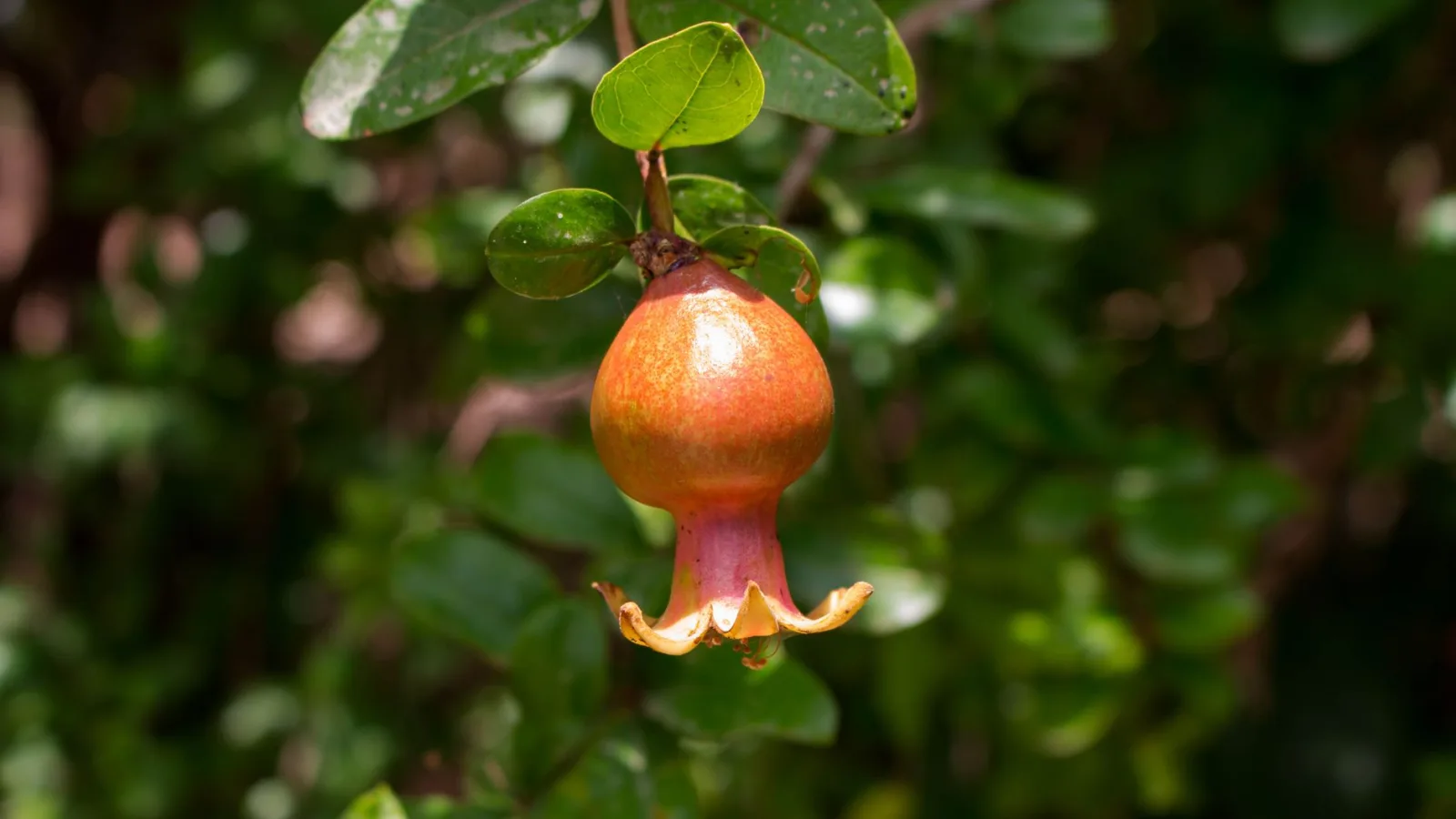
Lift a ginger plant in the September garden and you'll feel the root that has fattened up under the soil. By the fence, the pomegranates are flushing red. In the Northern Hemisphere, this is the season for roots and fruits that carry a fair amount of material the human body can't absorb on its own. Diabetes researchers have put forward a new name for what happens down in the gut after we eat them.
Add the microbes, or feed them
In type 2 diabetes, the balance of gut microbes gets thrown off, and insulin resistance rises along with it. Insulin resistance means the same amount of insulin no longer brings blood sugar down the way it should. That connection has sent researchers down several paths aimed at the gut microbiome.
- Probiotics, which are live microbes you swallow, and transplants that move gut microbes from a healthy donor
- Prebiotics, such as dietary fiber that feeds the microbes, and postbiotics, which use only the compounds the microbes produce
- Phage therapy, which knocks back one targeted species of bacteria
They all reach for roughly the same lever. Put microbes in, feed the microbes, or use what the microbes make. So where do you file the cases where the human body changes first, and the gut microbes shift in response? The existing categories had no slot for that.
A name called envbiotics
Envbiotics, proposed in 2026, is an attempt to fill that empty slot. The term covers substances that act on the human body first. The substance itself, or a metabolite the body makes from it, alters conditions inside the gut and shifts the composition and behavior of the microbes there — without feeding them anything.
One of the examples offered is berberine. It's the compound behind the yellow color and the bitterness in goldthread and barberry root, and its blood-sugar-lowering effects have been studied for a long time. These are roots too bitter to eat plain. Very little berberine is absorbed into the body, yet the effects show up anyway, which suggests that what stays behind in the gut is working on the microbes. Urolithin A is a compound that gut microbes create by converting ellagic acid, found in pomegranates, raspberries, and walnuts. You eat something, the microbes transform it, and the resulting compound turns around and changes conditions in the gut. Tiny vesicles released by plant cells, from ginger and grapes among others, have also been named as candidates.
What you can do at tonight's table
That said, the term is still only a proposal. Berberine and urolithin A both have a reasonable body of human research behind them, but the proposal to group them into a single category and build new drugs around it is still waiting on evidence. Managing blood sugar starts with a doctor's prescription and with adjustments to diet and exercise; supplements don't take that job over.
The ingredients, though, you can start on today. Pomegranates ripen best where the sun lingers and summers run dry, which is why so many come from Iran, India, Türkiye, and Spain. Ginger swells underground in warm, humid places, with India, China, and Nigeria leading production. Ellagic-acid fruits like raspberries and walnuts belong on the fall table too. Try adding a handful of seasonal fruit and some vegetables to one dinner. The ingredients that change what happens in your gut sit in the garden and the grocery basket long before they reach the pharmacy.
Source: the paper proposing the envbiotics concept, published in the journal Frontiers in Endocrinology.