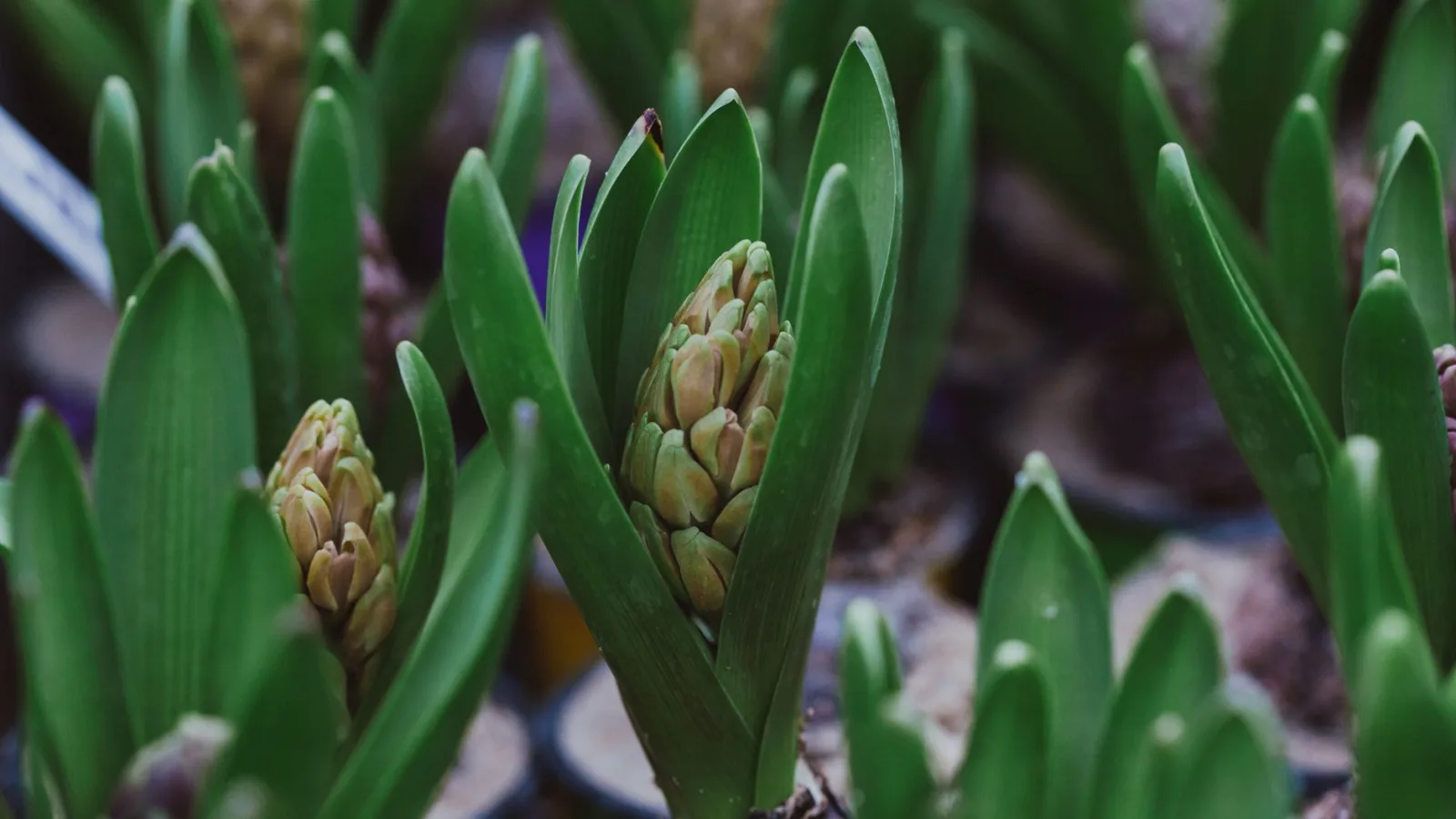
In the Northern Hemisphere, red fruit starts to appear on the neunggeum tree at the edge of the yard once September arrives. Each fruit is just 3–5 cm across, much smaller than an apple. Pick one and bite in, and you'll notice it's more sour and astringent than sweet. That's why neunggeum works better cooked with sugar, meat, and spices than eaten raw by the handful.
The Little Fruit Koreans Ate Before Apples
Neunggeum (Malus asiatica), sometimes called the Asiatic apple, belongs to the apple genus. Koreans commonly ate it before Western apples came to the country. It grows mainly in China, and Korea and Japan are counted among its traditional growing regions. Commercial growing has nearly disappeared in Korea, so you'll rarely see it at market, though a few old trees survive around Daegu and Gyeongsan.
The Toringo crabapple and the Siberian crabapple are also in the apple genus, but each is a different species from neunggeum. The apples sold in stores today are yet another species, brought over from the West. When you shop for a young tree, check the species name on the tag first.
Neunggeum is a deciduous tree suited to temperate climates. It grows best at 15–22℃ and can survive cold down to about -30℃. It needs a stretch of winter chill so its flower buds open evenly the next spring. If summers are too hot and nights stay warm, though, the skin won't color and the fruit will be sour and little else. In the Northern Hemisphere, plant young trees in March or November and harvest in August or September.
What Makes It Sour and Astringent, and What That Means for Your Health
The sourness comes from malic acid, and the astringency comes from polyphenols. The fruit also contains pectin, a water-soluble fiber that thickens liquids, and potassium, a mineral found in many fruits. Pectin is probably why neunggeum juice turns thick and syrupy as it simmers.
Some reports say polyphenols from apple-genus fruits have shown antioxidant activity in test-tube and animal studies. However, almost no studies have tested neunggeum on its own in people. So far there isn't enough evidence to eat a lot of it in hopes of a health benefit.
Neunggeum also appears as 林檎 in the 果部 (fruit section) of the Dongui Bogam, Korea's classic 17th-century medical text. The entry says the tree resembles the 柰 (nae, an old name for a kind of apple tree) and the fruit is round, and it includes a warning not to eat too much. It also says half-ripe fruit was used as medicine and that fully ripe fruit loses its flavor. This is an old medical record, so it shouldn't be read as modern medical advice. Still, eating only a little at a time and picking the fruit before it gets too soft are good habits today.
Steeping It in Sugar to Make Cheong
Fruit that's hard to eat raw can become cheong, a Korean syrup made by steeping fruit in sugar. Keep a jar on hand for drinks and cooking.
- Remove the seeds and slice the fruit thin.
- Measure out an equal weight of sugar. For 500 g of neunggeum, use 500 g of sugar.
- Layer the fruit and sugar in a jar and let it sit.
- After two weeks, stir some into water for a drink or mix it into salad dressing.
Roasting It with Pork or Duck
The tartness of apple-genus fruit goes well with rich, fatty meat. Roast thin slices of neunggeum with pork or duck, and the meat will feel less greasy. Grate the fruit finely into a sauce, and it helps tenderize the meat too.
When you're cooking meat, grate one or two neunggeum into the sauce. If it's too sour, add a spoonful of the cheong you made earlier.
Simmering It with Cinnamon and Cloves
Adding cinnamon and cloves when you simmer or bake neunggeum makes it taste less astringent. It can even taste sweet with a little less sugar. One piece of cinnamon stick and two or three cloves is enough.
Put sliced neunggeum, a little sugar, a cinnamon stick, and the cloves in a pot and simmer over low heat. Once it cooks down and thickens, serve it alongside roast pork.
If you picked neunggeum today, start small: seed and slice just 500 g, then pack it into a jar with the same weight of sugar.
Sources: Dongui Bogam, 果部 (fruit section), original text of the 林檎 entry; Korea National Arboretum, Korea Biodiversity Information System