Tangaek — Decoctions · Trees
乾漆 Lacquer Tree
 Related Crop · Lacquer Tree →
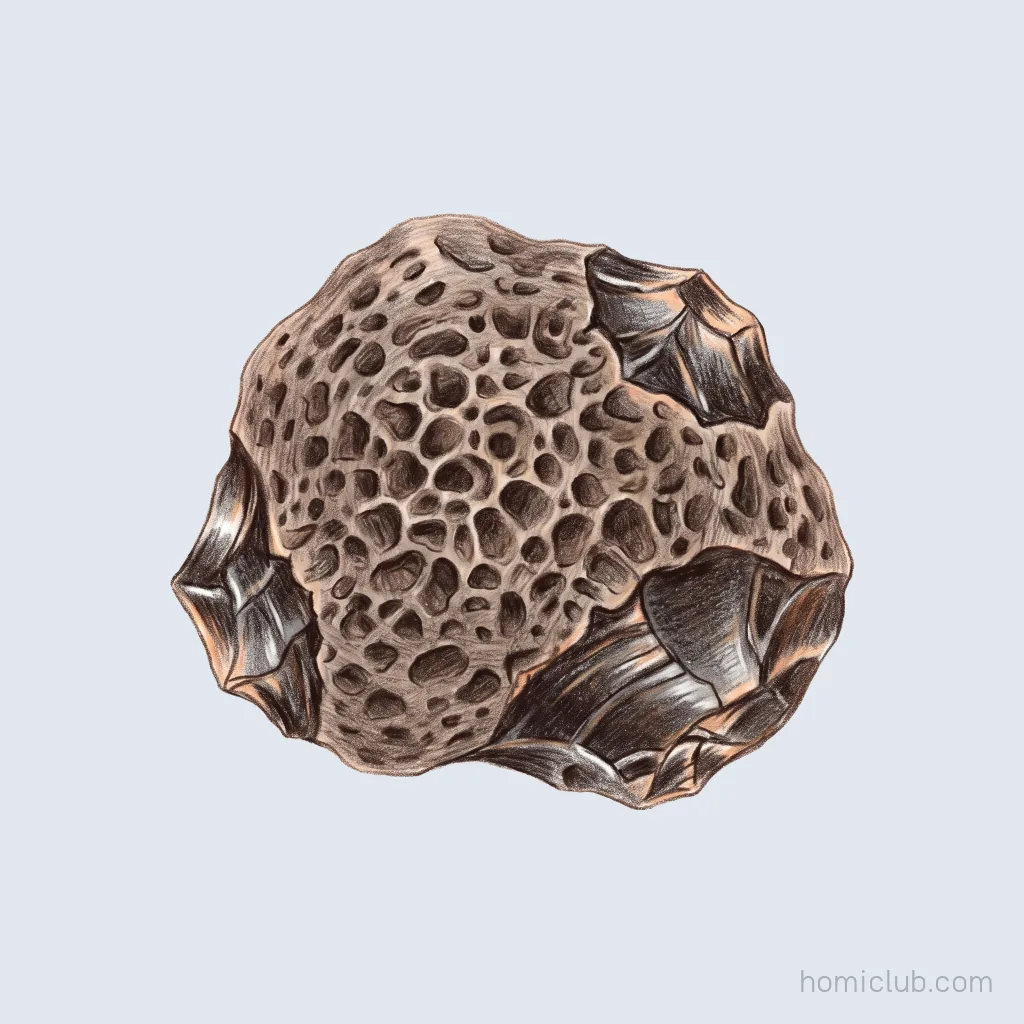
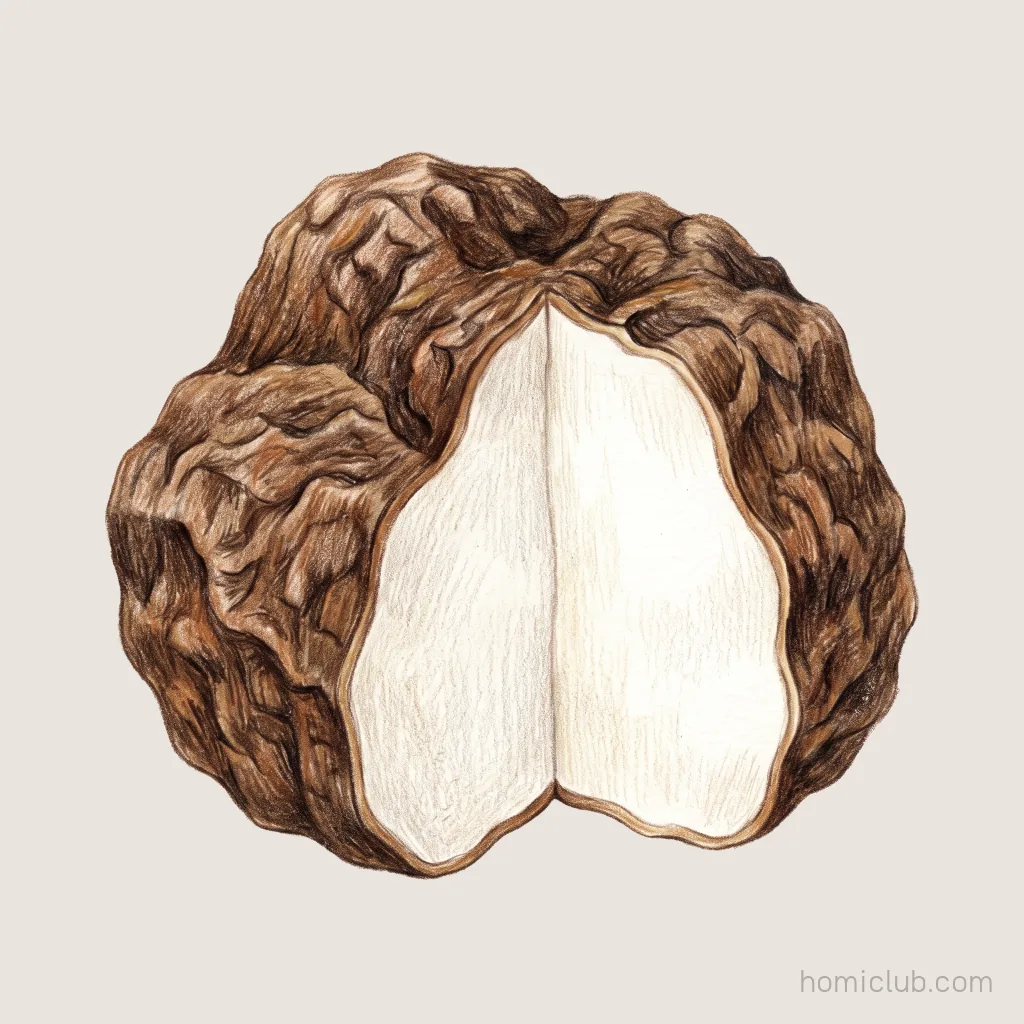
Geonchil is lacquer sap that has hardened by itself inside the collecting tub into a dry cake, prized when it is honeycombed with cells and hard as iron or stone. Lacquer raises a fierce rash on many people, and Donguibogam told anyone prone to it to stay away.
Original, read line by line 東醫寶鑑 · Tangaek — Decoctions vol. 3
-
性溫, 味辛, 有毒. 消瘀血.
Its nature is warm, its taste pungent, and it is toxic. It disperses eohyeol (瘀血, static blood).
HomiclubGeonchil is the lump formed when raw lacquer left in its collecting tub hardens of itself. The lacquer tree is a tall member of the sumac family found in Korean mountains, its leaves turning red in autumn.
-
主女人經脉不通, 及疝瘕. 利小腸, 去蛔蟲, 破堅積, 止血暈, 殺三蟲, 治傳尸勞.
It governs blocked menstruation in women and sanga (疝瘕, hernial masses). It frees the small intestine, expels roundworms, breaks up hardened accumulations, halts hyeolhun (血暈, blood dizziness), kills the samchung (三蟲, three worms), and addresses jeonsiro (傳尸勞, corpse-transmitted consumption).
-
漆桶中自然有乾者, 狀如蜂房, 孔孔隔, 堅若鐵石者, 爲佳.
The kind that dries of itself inside the lacquer tub, shaped like a honeycomb with each hole partitioned and as hard as iron or stone, is the fine one.
-
入藥須擣碎, 炒令烟出, 不爾, 損人腸胃. 素畏漆者, 勿服. 《本草》
For use in medicine it must be pounded to pieces and roasted until smoke rises; otherwise it injures the intestines and stomach. Those who by constitution fear lacquer must not take it. 《Boncho (本草)》
HomiclubLacquer contains urushiol, which raises a rash on the skin of many people who touch it. This is the passage where the source singles out those who react to it.
-
性畏漆者, 入雞子淸和藥內用. 《正傳》
Those whose constitution fears lacquer add egg white and mix it into the medicine for use. 《Jeongjeon (正傳)》
Related Crop
Lacquer Tree →
Trees — more entries
This is a cultural and historical record from a classical text, not a claim about any food’s effects. Nothing here is a health supplement or intended to prevent or treat disease. Consult a medical professional about health concerns. · Text: Korean Medicine Classics DB · Reading: Homiclub