Purple Stars in a Corner of the Garden
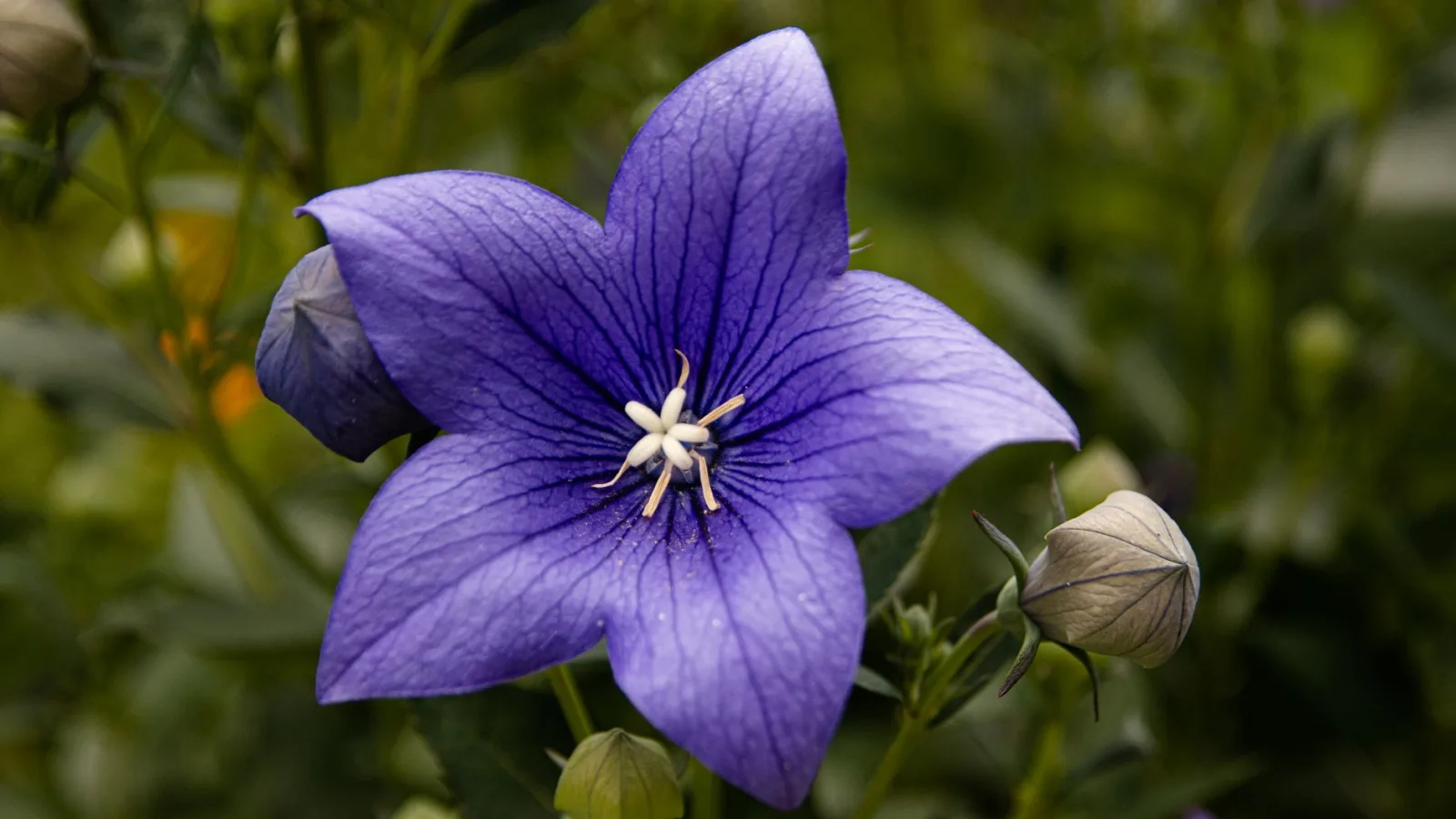
Walk through a summer garden and you may come across a patch of purple, star-shaped flowers that look as if they just popped open. These are balloon flowers, called doraji in Korea. Each bud puffs up like a tiny balloon, then splits into five neat points. The blooms are so tidy that you might be tempted to grow them just to look at.
On the Korean table, though, doraji is known more for its root than its flower. It shows up as a plate of namul (seasoned vegetable side dish) at holiday meals, as a sweet-and-tangy dressed salad, and as a tea people simmer when their throats feel scratchy. With the soil brushed off, the firm white root fits easily into meals in any season. Open the Donguibogam, Korea's 17th-century medical classic, and you'll find this everyday root under its medicinal name, gilgyeong (桔梗), with a surprisingly clear account of its uses. When a garden flower turns up in a medical text under a different name, it's a reminder that the vegetable patch and the medicine cabinet were never far apart.
What the Donguibogam Saw
The Donguibogam and other traditional herbal texts describe gilgyeong as slightly cold in nature, though some records call it neutral. They list its taste as pungent and bitter and note that it is mildly toxic. That "toxicity" isn't quite what the word means today. It's generally read as a description of the root's strong effect: its saponins irritate the mucous membranes and help bring up phlegm.
Its uses are even more interesting. The Donguibogam saw gilgyeong as an herb that works on the lungs and throat. It records that the root was used to clear coughs and phlegm, ease a tight or aching chest, and soothe a sore throat. The original text reads "治肺氣喘促, 下一切氣, 療咽喉痛, 及胸脇諸痛." Roughly translated, gilgyeong settles labored breathing from the lungs, sends all kinds of rising qi (vital energy) back down, and treats throat pain as well as aches in the chest and along the ribs.
Gilgyeong also held a special place among herbs. Quoting the Chinese classic Danxi Xinfa, the Donguibogam called it a "boat-and-oar remedy" (舟楫之劑), meaning it carries other herbs up to the lungs and keeps them from sinking. It was highly valued as a guide herb (引經藥) for the lung meridian, lifting the effects of other ingredients upward. The text even says when to harvest: the plant grows wild on mountains everywhere, and its roots are dug up in the 2nd and 8th lunar months and dried in the sun.
How It Compares with Modern Nutrition Science
Today, the compounds in doraji that get the most attention are saponins called platycodins. The Donguibogam described a harsh irritation that "draws up phlegm," and modern science now uses these compounds to explain the root's expectorant effect. It's striking to see an old text and modern lab work point to the same thing in different words.
To be honest with you, though, the evidence has limits. Platycodin saponins have been reported to have expectorant, anti-inflammatory, and antiviral effects, but most of that research is still preclinical. Studies in people are still being done. Remember, too, that the Donguibogam described gilgyeong as pungent and bitter. People long ago took that bold taste and bite as a sign of medicine traveling to the lungs, and for us it offers a clue about what the root contains. So rather than claiming doraji cures anything, it's better to think of it as traditional wisdom: a food people have kept close for centuries to comfort the lungs and throat.
From Garden to Table
Gilgyeong may be an herbal medicine, but it has also long been an everyday vegetable eaten all year. The Donguibogam itself cites folk practice, noting that people make doraji into namul and eat it in every season. It's a root that sits right on the line between medicine and side dish.
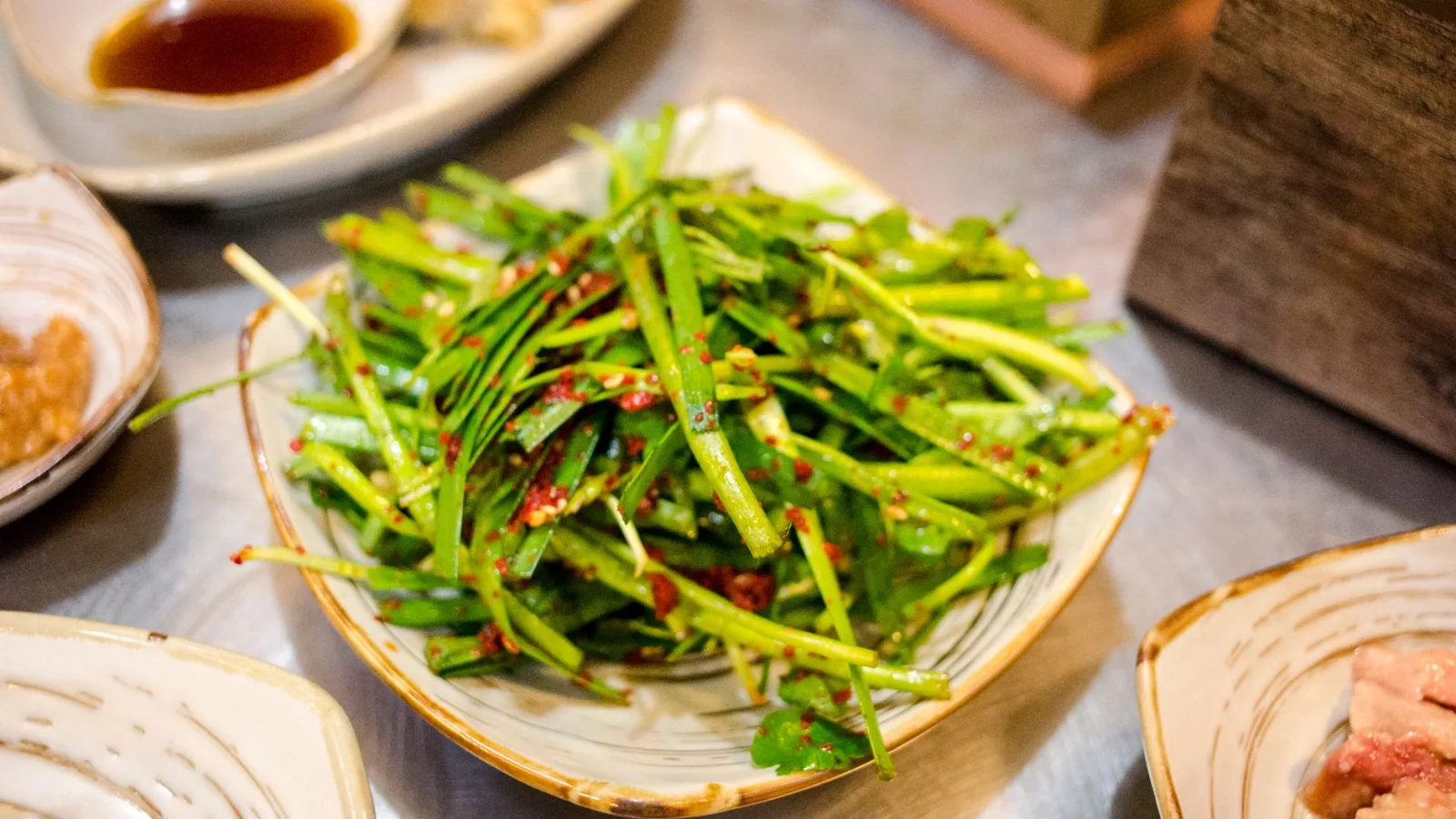
At home, good prep makes all the difference. Doraji's natural bitterness mellows a lot if you tear the root into thick strips, rub them in salted water, and rinse. You can then toss the strips with seasoning as a salad or stir-fry them lightly as namul. When the seasons change and throats get scratchy, many people slice the root thin, steep it in honey, and stir a spoonful into warm water to drink.
One last note. The "mild toxicity" the Donguibogam mentions is also a sign of how strong the root is. Eating much more than usual at once can upset your stomach, so it's best to enjoy doraji in normal amounts as part of everyday meals. When the root of that purple garden flower lands on your plate, it brings along the same qualities the old medical text noticed.