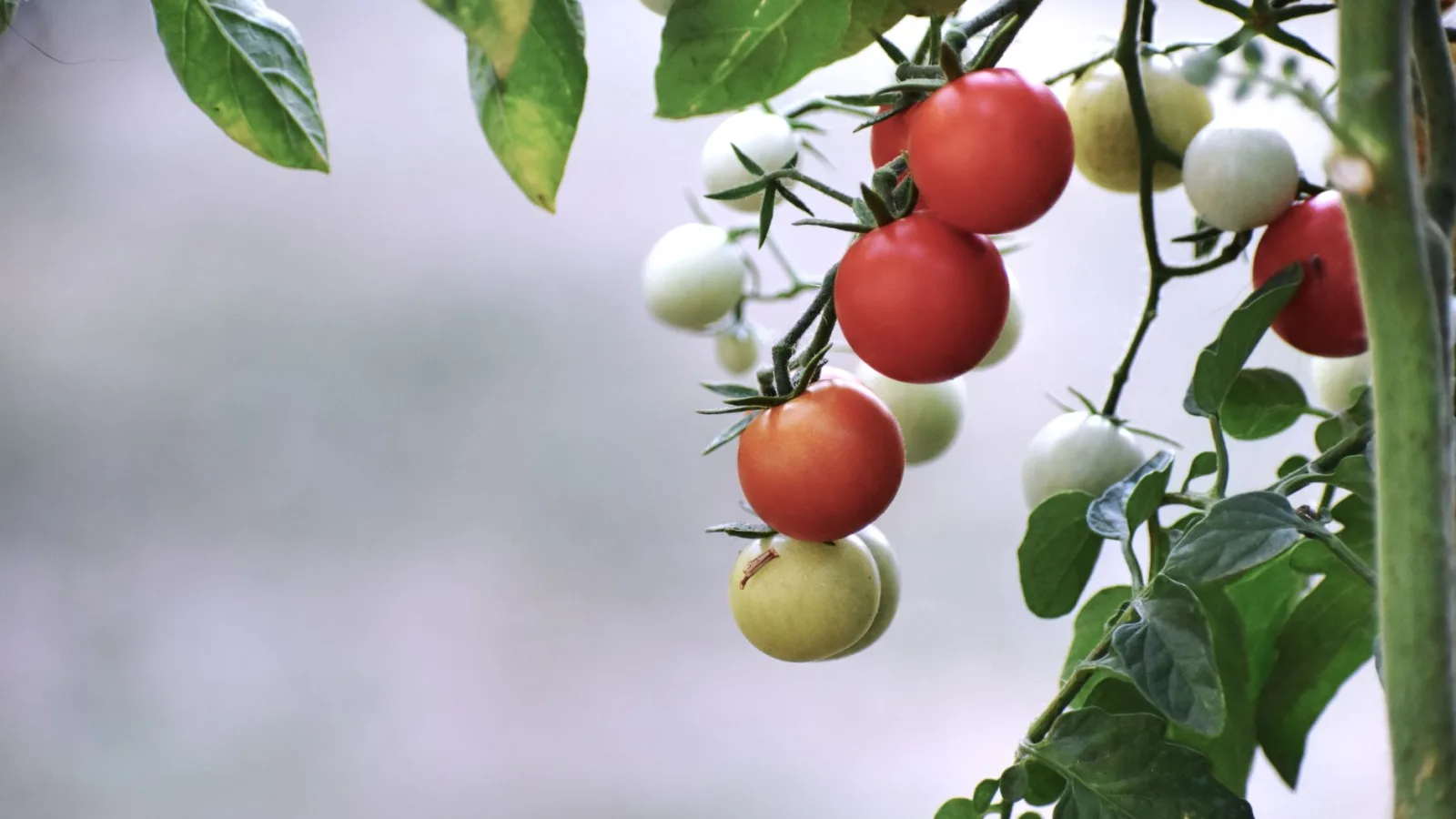
Few things feel as satisfying as bringing in a full basket of cherry tomatoes from the summer garden. But within a few days, some start to go soft, and mold may creep in around the stems. Even the fridge doesn't keep them crisp for long. Food scientists have spent years looking for ways to make those few days after harvest last longer.
A Protective Layer Made from Milk, Shells, and Grains
A team of food researchers has developed a thin, natural coating for the skin of cherry tomatoes, and its ingredients are unusual. The first is casein, a protein found in milk. The second is chitosan, extracted from crab and shrimp shells. The third is ferulic acid, an antioxidant found in the outer layers of grains and vegetables. Ferulic acid is one of the polyphenols that are plentiful in grain bran, such as wheat bran and rice bran. All three come from food.
The ferulic acid isn't just mixed in. It bonds chemically with the casein and chitosan to form a dense film. As a result, the coating is fairly sturdy, and it doesn't release all of its ferulic acid at once. About half of it seeps out slowly over 25 days, so the tomatoes keep getting a supply of antioxidants even during long storage.
Firmer for Longer, Slower to Mold
The researchers coated cherry tomatoes with the film and stored them in the refrigerator at 4°C (39°F) for 25 days. A key marker of oxidation came in more than 35% lower than in uncoated tomatoes, and there was noticeably less bacteria on the surface. The coated tomatoes also stayed nearly as firm as when they were picked, and their vitamin C and polyphenols held up well too.
The coating works in two ways. The dense film blocks just enough air and moisture to slow softening, while the slowly released ferulic acid delays oxidation and keeps microbes in check. Ordinary packaging film only forms a physical barrier. This coating seals the tomatoes and also works to keep them fresh.
Bringing It Home to Your Garden Kitchen
You can't make this kind of coating at home, but the idea behind it still offers some useful lessons. Keep freshly picked cherry tomatoes unwashed and dry so that microbes on the skin are less likely to spread. Leave the stems on, store the tomatoes somewhere cool, around 4–10°C (39–50°F), and pick out any soft ones first. Spreading them in a single layer in a container with good airflow also keeps them from getting crushed and turning mushy.
You can also add foods rich in ferulic acid to your meals. Whole grains that keep their bran, such as brown rice, whole-wheat bread, and oats, are good sources. Ferulic acid is known to help slow oxidation in the body, and eating it alongside the lycopene in cherry tomatoes gives you a wider range of antioxidants.
Don't wash the cherry tomatoes you picked today. Sort out the soft ones first, then spread the rest in a single layer somewhere cool. They'll stay good for days longer.