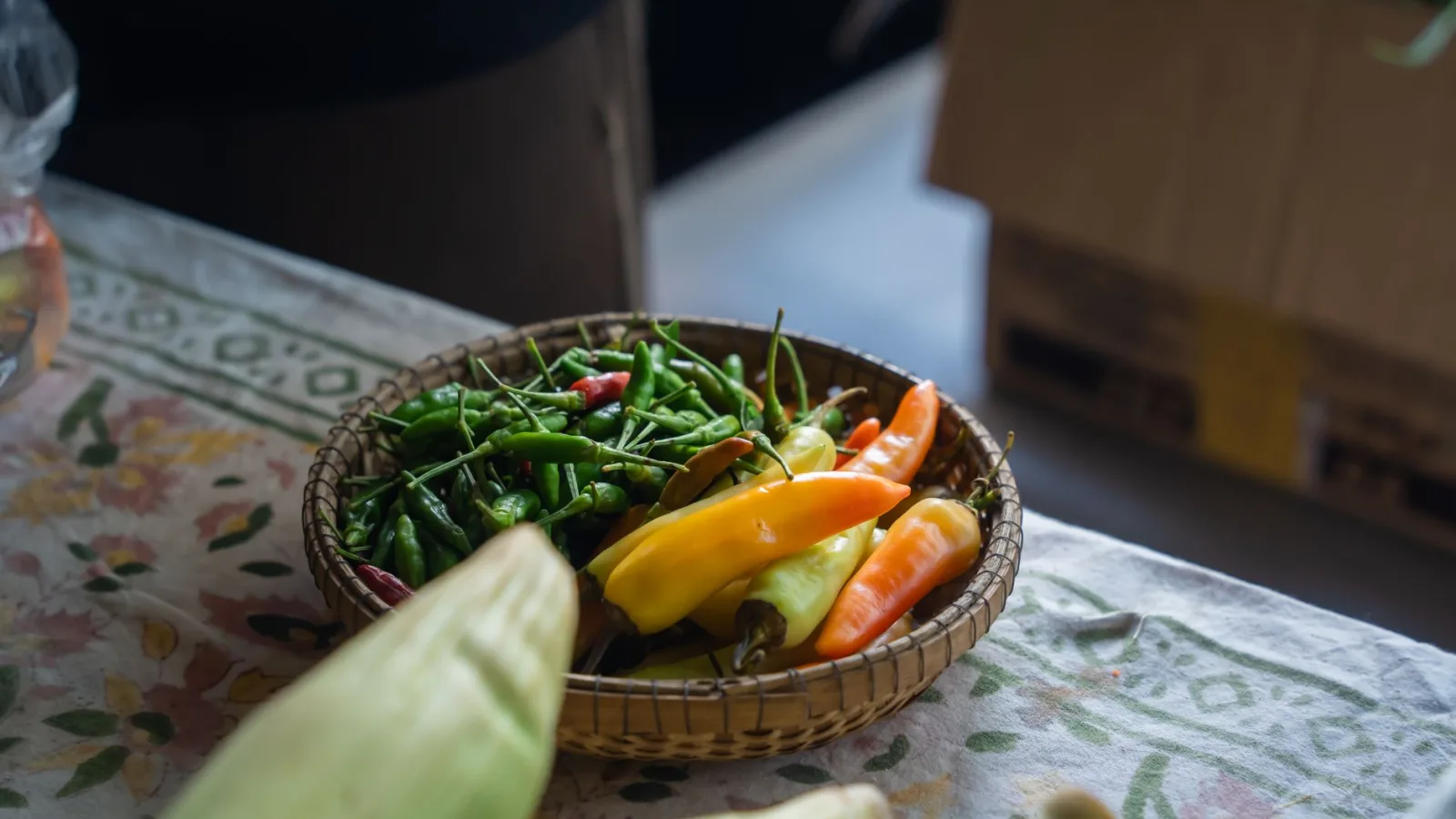
In high summer, when the sun beats down for ten days or more, the soil you watered in the morning is dry and crumbly again by evening. Last fall I worked a thick layer of fallen leaves and well-rotted compost into this bed, so I figured it would hold up better this summer. Yet at midday, the pepper leaves droop about as much as the ones in the bed next door, which got nothing at all.
What Organic Carbon Does in Soil
Soil organic carbon is the carbon left in the ground after microbes break down compost, fallen leaves, and old roots. As it builds up, loose soil particles clump together and leave tiny pockets of space between them. When it rains, water soaks in instead of running off the surface, and it stays there longer. Nutrients like nitrogen and phosphorus are also released slowly, which makes them easier for roots to take up.
Studies that pooled harvest data from farmland around the world have generally found higher corn and wheat yields in fields with more organic carbon. The link has held up again and again in different regions, so the evidence is fairly strong. It's natural to assume that soil holding more water would also cope better with drought.
When the Rain Falls Far Short
When researchers at Colorado State University took a fresh look at farmland yield data, their results didn't match that assumption. In years with normal rainfall, fields rich in organic carbon did produce bigger harvests. But in years when rainfall fell far short, high-carbon and low-carbon fields yielded about the same.
The researchers' explanation is that soil holding a little extra water can't make up the difference once the water roots depend on has run out. The extra moisture from organic carbon is probably enough to get plants through a few days, not through weeks of dry weather. Organic matter raises harvests in ordinary years, but it won't protect your crops from a severe drought.
Keep Adding Compost Anyway
None of this is a reason to stop adding organic matter. Most gardening years bring an ordinary summer, not a severe drought, and in those years organic carbon increases yields of both leafy greens and fruiting crops like tomatoes and peppers. When a drought does come, though, you'll need other preparations besides good soil.
- Keep adding compost and fallen leaves the way you always have. The payoff in years with normal rainfall is backed by plenty of data.
- Cover the soil with a 5 cm (about 2-inch) layer of straw or cut grass. Less water will evaporate from the surface.
- Instead of giving a little water often, water every few days until the soil is wet 20 cm (about 8 inches) down. This encourages roots to grow deeper.
- If your plot often dries out in summer, try moving your sowing to a cooler time of year. In the Northern Hemisphere, for example, you could sow in late August or early September instead of early August.
- On days of strong sun, put up shade cloth that provides 30–50% shade. Leaves lose less water, so plants wilt less in the midday heat.
Today, start by spreading dry grass between your beds. Compost builds next year's harvest. Mulch cuts down on this week's drying.
Source — Colorado State University (USA), research on soil organic carbon and crop yields