Tangaek — Decoctions · Fruits
林檎 Neunggeum (Chinese apple)
 Related Crop · Neunggeum (Chinese apple) →
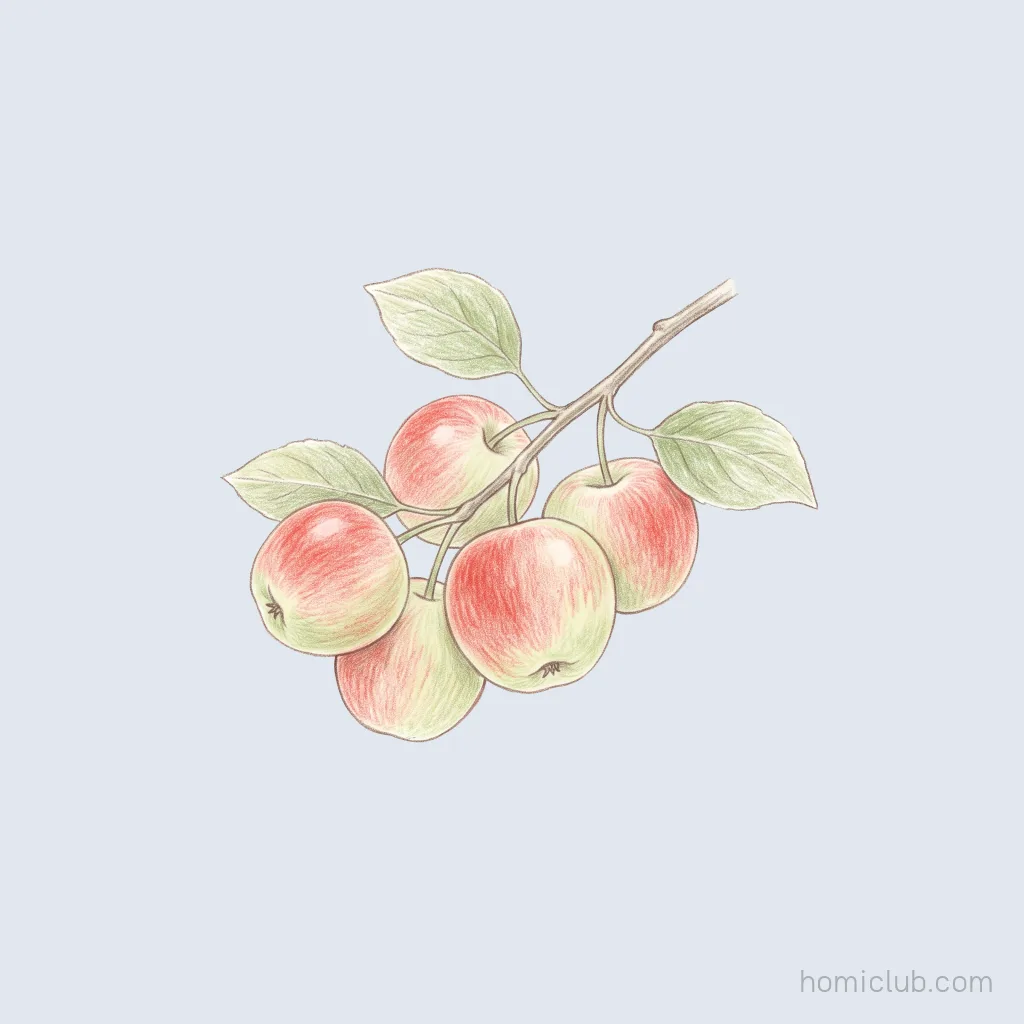
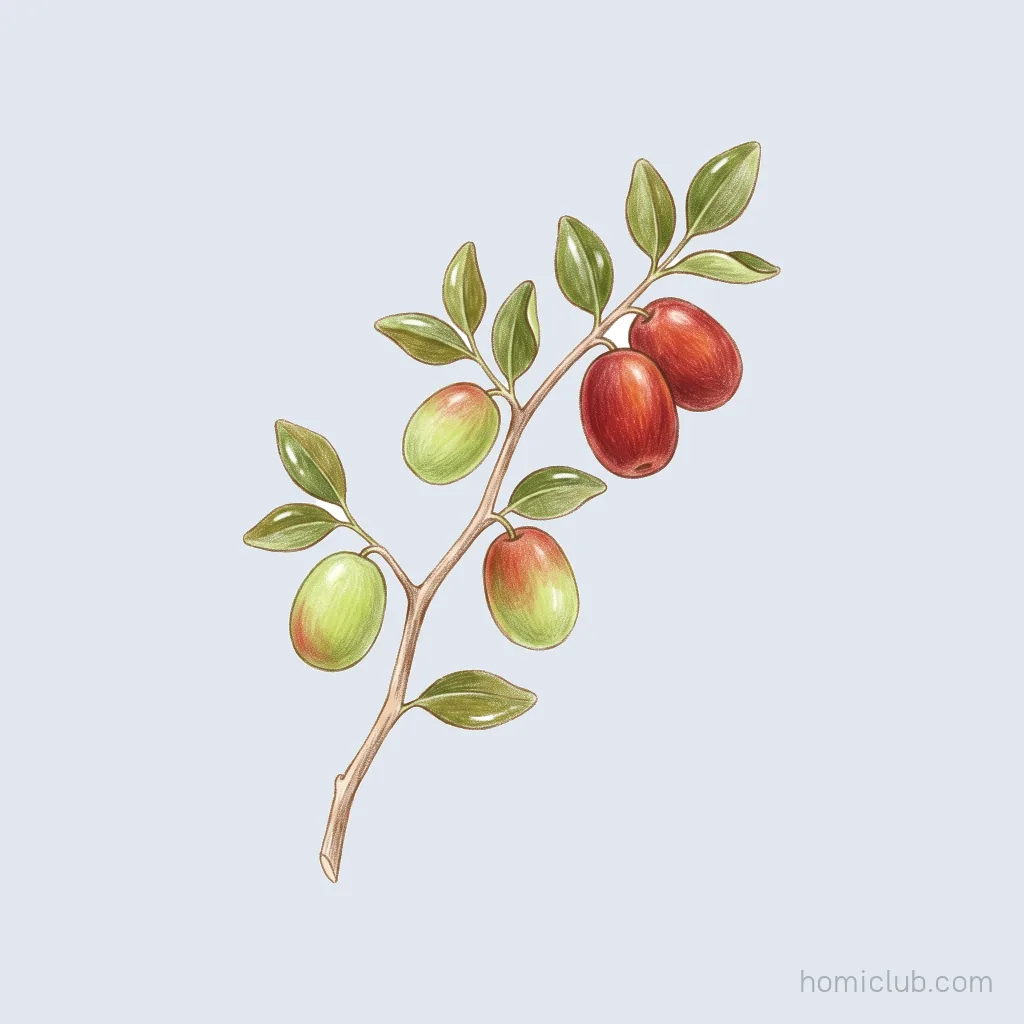
Imgeum is neunggeum, the small Korean apple of the crop guide. The tree resembles an apple tree, the round fruit ripens in the sixth and seventh months, and it was also called naegeum (來禽), the bird-caller, for the birds it drew. Modern apples have all but replaced it, though the name survives in Seoul's neunggeum.
Original, read line by line 東醫寶鑑 · Tangaek — Decoctions vol. 2
-
性溫, 味酸甘, 無毒. 止消渴.
Its nature is warm, its taste sour and sweet, and it is non-toxic. It stops sogal (消渴, wasting thirst).
HomiclubImgeum is the neunggeum, a small native apple. It belongs to the same genus as the orchard apple but bears much smaller, tarter fruit, and it was the apple grown in Korea before Western varieties arrived.
-
治霍亂肚痛, 消痰止痢.
It treats abdominal pain from gwallan (霍亂, sudden turmoil disorder), dissolves phlegm, and stops dysentery.
-
其樹似柰樹, 實形圓如柰. 六月七月熟, 或謂之來禽, 處處有之.
Its tree resembles the nae (柰) tree, and the fruit is round like the nae. It ripens in the sixth and seventh months and is sometimes called naegeum (來禽, fowl-drawer); it is found everywhere.
HomiclubNaegeum means 'birds come,' a byname drawn from the birds that gather on the ripe fruit. The sixth and seventh lunar months fall around July and August.
-
味苦澁, 不可多食, 閉百脉, 令人好睡, 發痰, 生瘡癤.
Its taste is bitter and astringent, and it must not be eaten in quantity: it blocks the hundred vessels, makes a person sleepy, stirs up phlegm, and gives rise to sores and boils.
-
半熟者味苦澁, 故入藥治病, 爛熟則無味矣. 《本草》
The half-ripe fruit is bitter and astringent, and so it is put into medicine to treat illness; once fully soft-ripe it has no taste at all. 《Boncho (本草)》
Related Crop
Neunggeum (Chinese apple) →
Reading on Neunggeum (Chinese apple)
Fruits — more entries
This is a cultural and historical record from a classical text, not a claim about any food’s effects. Nothing here is a health supplement or intended to prevent or treat disease. Consult a medical professional about health concerns. · Text: Korean Medicine Classics DB · Reading: Homiclub