
Tangaek — Decoctions · Vegetables
苦苣 Chicory
 Related Crop · Chicory →
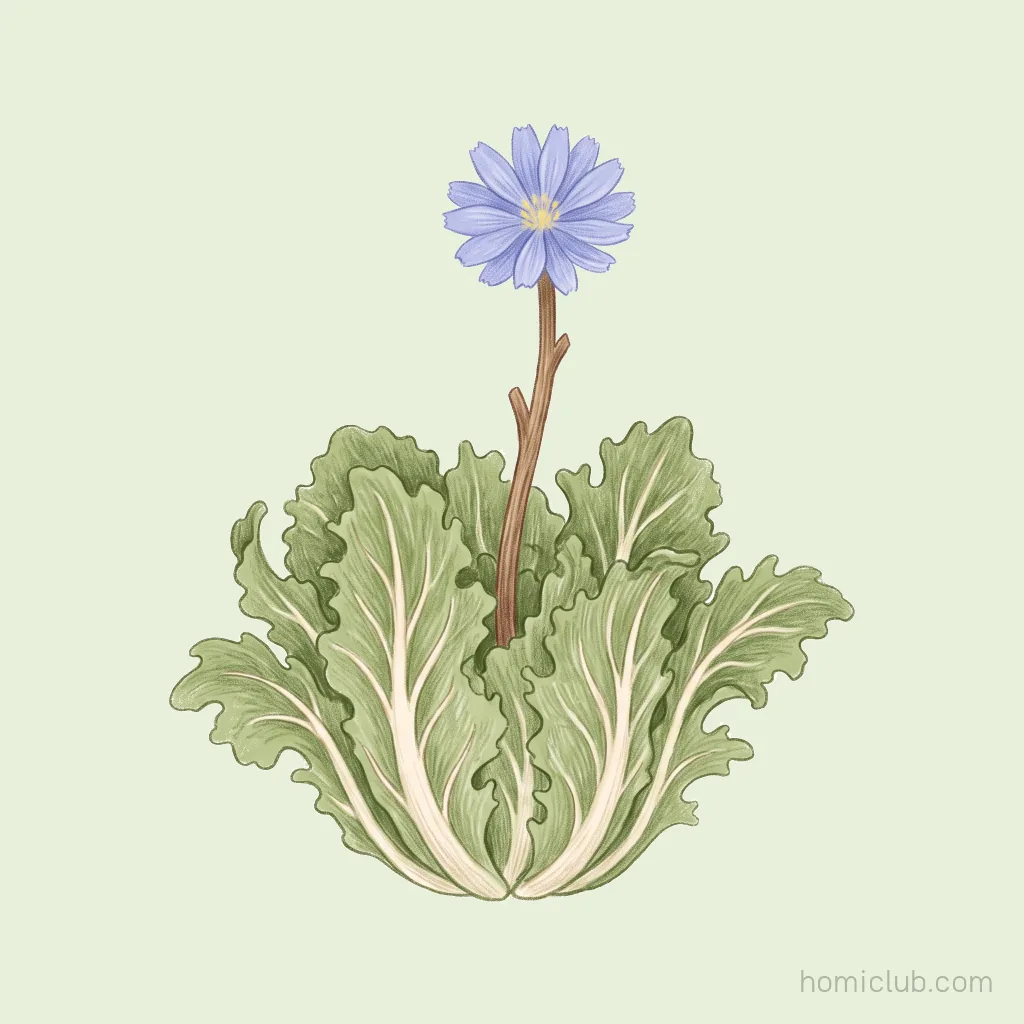
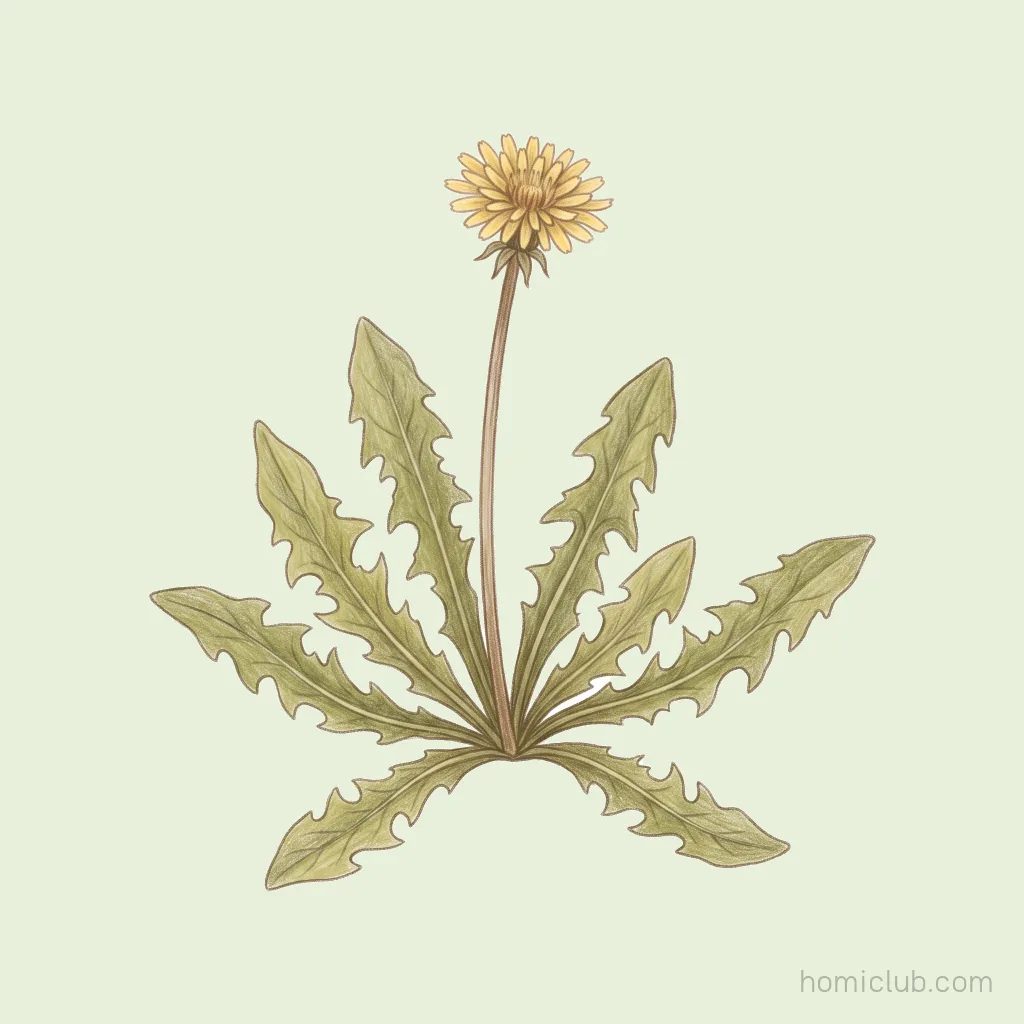
Geogeo is a bitter-leaved field green, also recorded as yageo or pyeongeo. The chicory sold today belongs to the same daisy-family group, and it stands behind the crop guide's chicory. Cold in nature, the text says, yet fit to be eaten over a long time.
Original, read line by line 東醫寶鑑 · Tangaek — Decoctions vol. 2
-
性寒, 味苦.
Its nature is cold and its taste is bitter.
HomiclubGogeo is a bitter leaf vegetable of the fields, the same group as the daisy-family plant known today as chicory. Its leaves exude a white latex when torn, and in Europe the root is dug, roasted, and ground.
-
輕身少睡, 調十二經脉, 利五藏, 療黃疸.
It lightens the body, reduces sleep, regulates the twelve gyeongmaek (經脉, channels), benefits the ojang (五藏, five viscera), and treats jaundice.
-
苦苣卽野苣也. 一名褊苣. 雖冷, 甚益人, 可久食之. 《本草》
Gogeo is yageo (野苣, field lettuce). It is also called pyeongeo (褊苣). Though cold, it greatly benefits people and may be eaten over a long time. 《Boncho (本草)》
HomiclubYageo (野苣) means the geo (苣) of the wild fields, a name that set it apart from the lettuce raised in garden plots.
Related Crop
Chicory →
Reading on Chicory
Vegetables — more entries
This is a cultural and historical record from a classical text, not a claim about any food’s effects. Nothing here is a health supplement or intended to prevent or treat disease. Consult a medical professional about health concerns. · Text: Korean Medicine Classics DB · Reading: Homiclub