Meeting Burdock in a Corner of the Garden
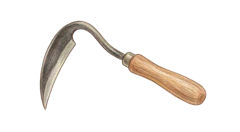
Burdock doesn't draw much attention in the garden. Its leaves spread wide, but the part we eat is a root that grows deep into the soil. At harvest you'll need a shovel, not just a homi (a Korean hand hoe), and you'll be digging for a while. Rinse those long roots under running water and the brown skin shows through, along with a strong earthy smell. If you've ever braised julienned burdock or tucked thin slices into gimbap (Korean seaweed rice rolls), you'll remember its crisp, nutty flavor.
Burdock isn't hard to grow. For long, straight roots, though, it needs deep, loose soil. In a rocky plot the roots tend to fork or bend. Give it a season of care and you'll be rewarded in late fall: around the first frost, you can dig up the plumpest, firmest roots of the year.
At the table we know burdock as a root, but the old medical texts looked to a different part of the plant for medicine. Let's see how the Donguibogam viewed burdock.
How the Donguibogam Saw It
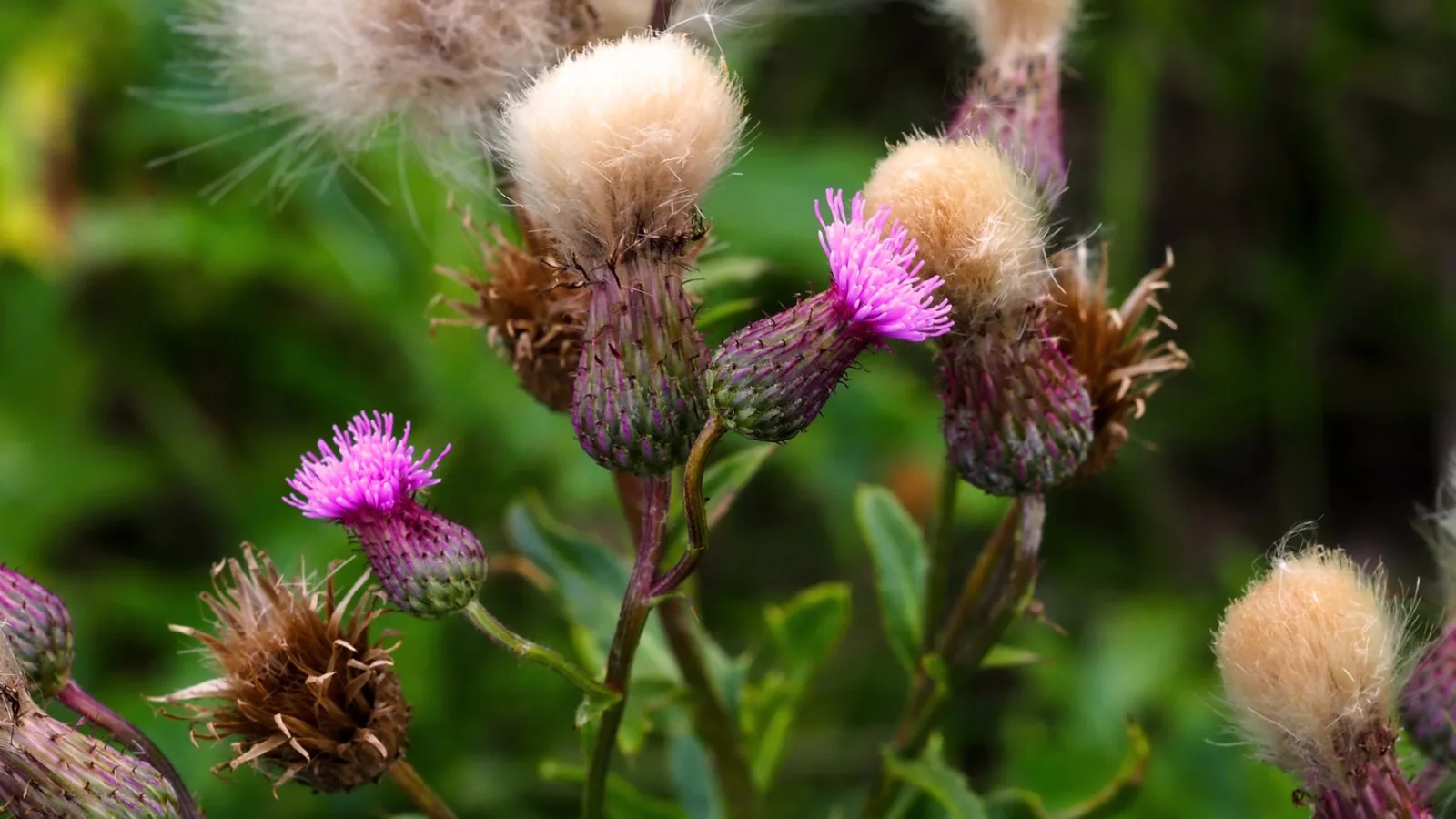
The Donguibogam, Korea's landmark 17th-century medical encyclopedia, used burdock's fruit, called ubangja (牛蒡子), as a medicinal herb. It was also known as aksil (惡實). Classical herbal texts described it as bitter and sometimes pungent, cold in nature, and non-toxic. Notably, the medicine came from the small, seedlike fruit rather than from the root we usually eat.
People in the past used ubangja mainly to cool what traditional medicine calls "wind-heat" (風熱). It was reportedly used for swollen, sore throats, for raw and itchy skin such as hives, and to draw the toxins out of boils. Its cold nature also called for caution. Herbal texts that followed the Donguibogam advised people who tend to run cold or have frequent diarrhea not to take too much of it. The reasoning was that giving a cold herb again and again to an already cold body would throw it out of balance.
One point is worth making clear. The benefits recorded in the Donguibogam are a traditional view of ubangja, the fruit. The text does not say the root we eat as a side dish has the same effects, so it's best to keep what the old book says separate from the burdock on your plate.
How Modern Nutrition Compares
So how does the root we actually eat look to modern science? Burdock root is known to be rich in inulin, a type of dietary fiber, and in polyphenols. Inulin has drawn interest for its effects on the gut, and polyphenols are studied for their antioxidant properties. That's why burdock often comes up in conversations about gut health and antioxidants.
To be honest, though, there is still little clinical research in people on what these compounds do in the body. Burdock shouldn't be treated as a cure for anything. The more balanced approach is to think of it as one more fiber-rich vegetable for your table.
The old medical texts used a cold fruit to treat wind-heat, while today's nutrition science is interested in the fiber in the root. They focus on different parts of the plant and explain things in different terms, but in every era people have looked to this humble crop for clues to good health.
From Garden to Table
When you prepare harvested burdock, don't scrub off too much of the skin. Much of the aroma and nutrition is said to sit just beneath it, so a light scrape with the back of a knife is enough. Cut burdock browns quickly. A short soak in water with a few drops of vinegar keeps its color bright.
The most familiar way to cook it is braised. Simmer julienned burdock in soy sauce with a little sweetness, and it stays crunchy and keeps for days as banchan (a Korean side dish). Thin slices are also good in gimbap or japchae (stir-fried glass noodles), and simmering burdock with Korean radish gives a broth a rich, nutty flavor. For tea, lightly toast dried burdock and then brew it.
One last caution. Because the Donguibogam considered ubangja cold in nature, if you tend to run cold or often have an upset stomach, eat burdock in moderation rather than in large amounts at once. Then bring the root you dug with such care to the table, with a nod to the wisdom of the old texts.