A Bitter Taste of Spring in a Corner of the Garden
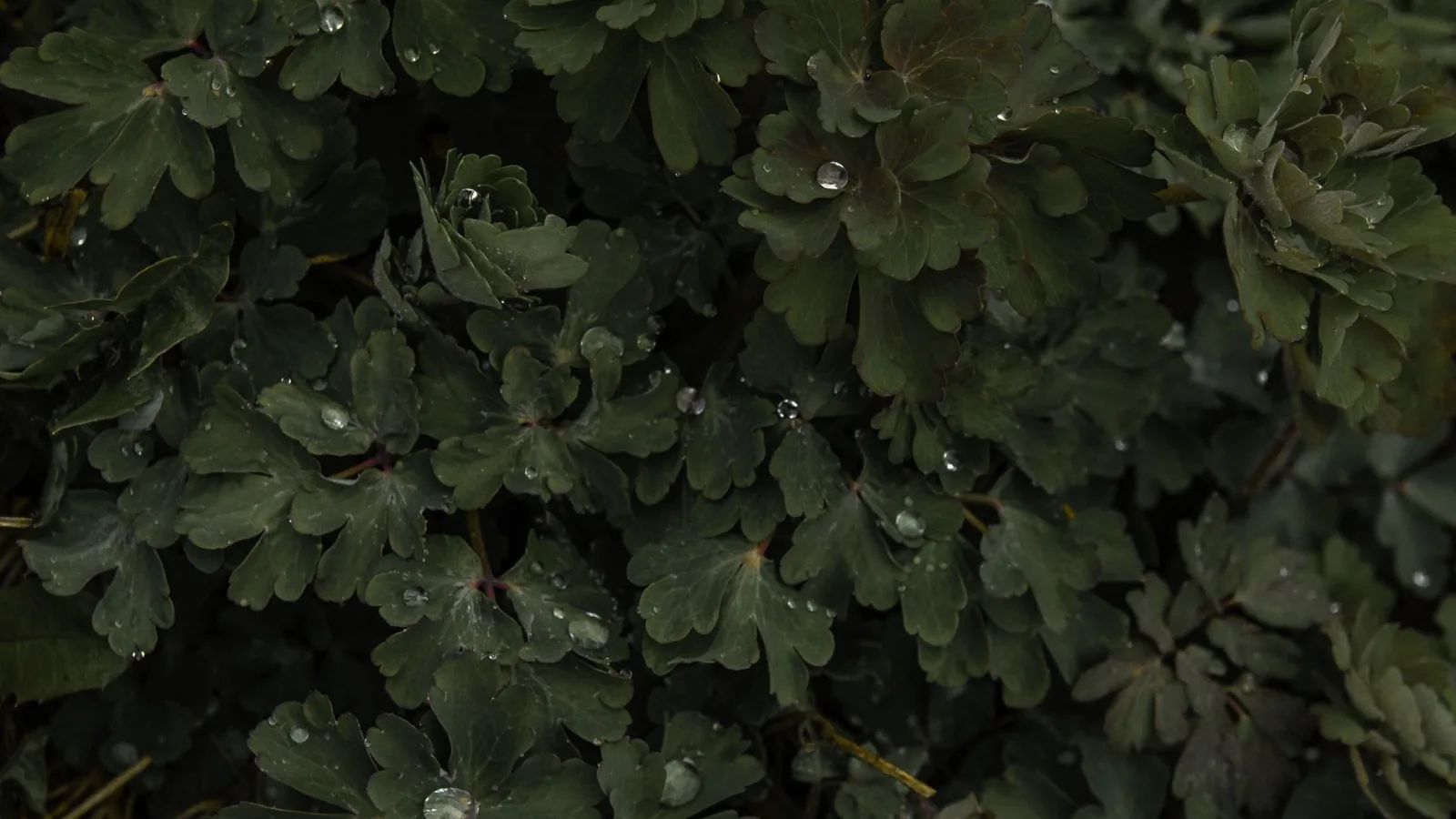
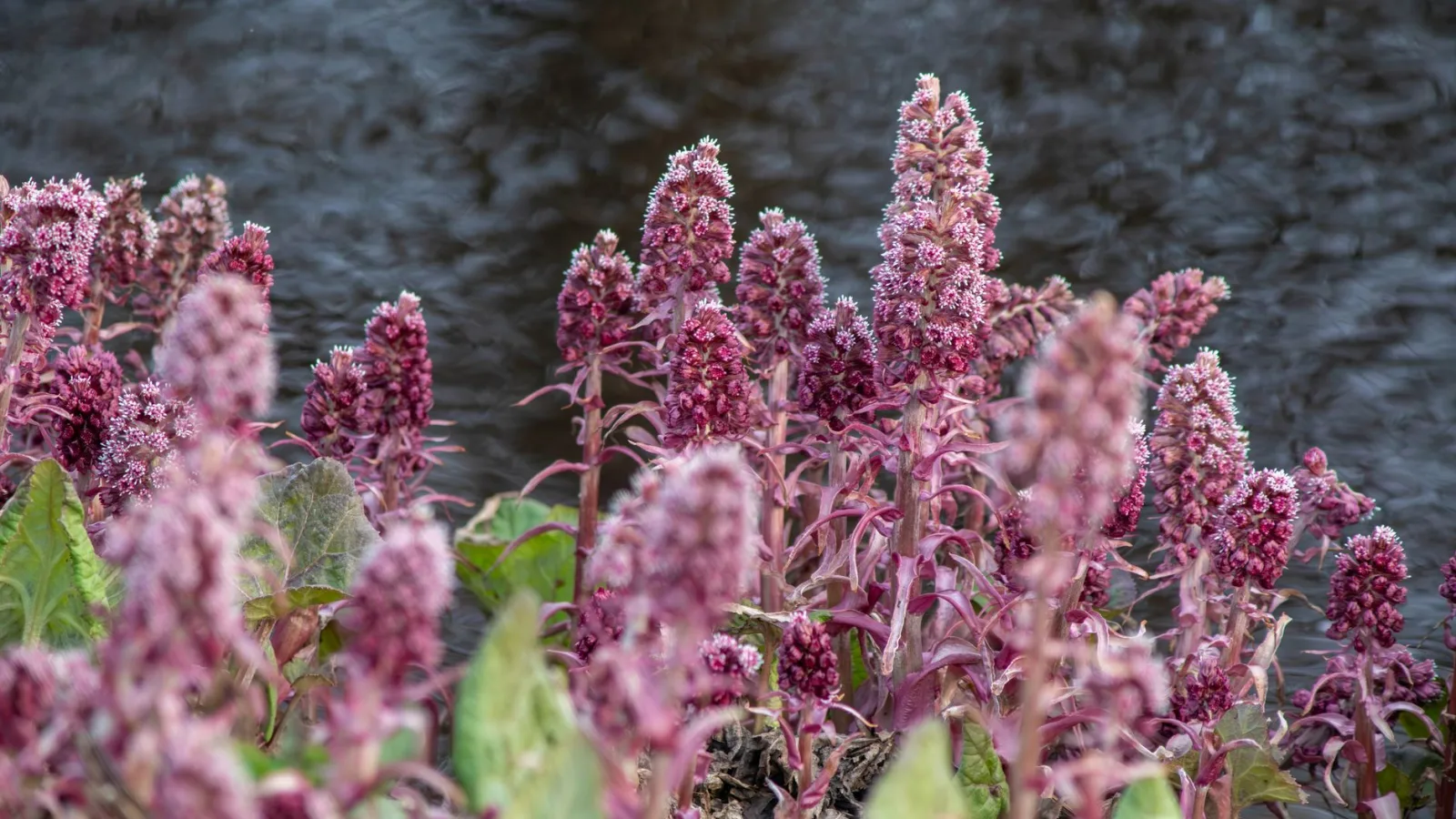
Fellow gardeners, you've probably seen butterbur in early spring, growing along the edge of a garden bed or in a shady spot by a ditch, its broad, round leaves spreading low to the ground. Pick a leaf and the stem leaves a pleasantly bitter scent on your fingertips. Blanch it and toss it with seasoning, and that same bitterness wakes up your appetite the way only spring greens can. Once butterbur takes root, it returns to the same spot year after year, so anyone who keeps a garden gets to welcome it back each spring like an old friend.
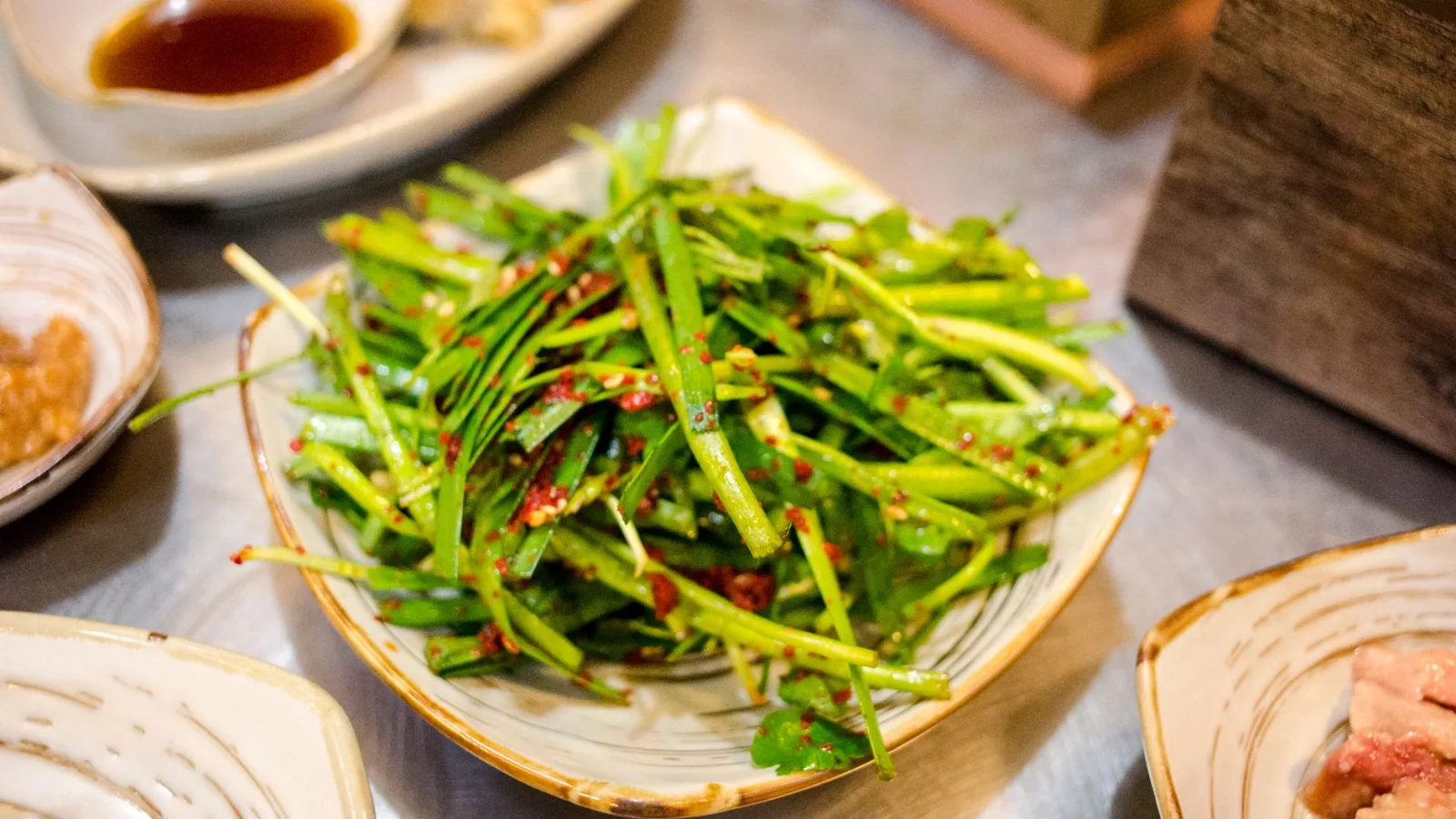
At the table, the leaves are blanched and dressed as namul (a seasoned vegetable side dish), the stems are stir-fried with perilla seeds, and the larger leaves become ssam, leafy wraps for rice and other fillings. When spring fatigue dulls your appetite, one plate of butterbur can make a whole bowl of rice disappear, and that's why it has long had a place on the traditional spring table. So how did the old medical texts view such an everyday green? Let's look at the traditional health thinking behind butterbur.
What the Old Medical Texts Said
In traditional herbal medicine, butterbur was known by the medicinal name bongduchae (蜂斗菜). Its flavor was described as bitter and pungent, and its nature as cold. Bitter, cold herbs were generally used to clear heat and release blockages, and butterbur fits right into that tradition.
According to the old records, bongduchae was used mainly to disperse blood stasis and bring down swelling, to ease inflammation and pain, to calm coughs, and to counteract toxins. "Dispersing blood stasis" is an old way of saying it breaks up whatever has become congested and stuck, and butterbur's bitter, pungent taste was thought to suit that role. Some records also say that eating the leaves and stems as a green over a long period helps with bronchial asthma. To be fair, though, the evidence for this from human clinical studies is weak. It helps to read old texts as a record of what people observed and experienced in their own time, rather than as proof of health benefits by today's standards.
There's one more thing I'd like to point out. Coltsfoot flower (款冬花, gwandonghwa), a well-known cough remedy, is sometimes confused with butterbur, or bongduchae. But coltsfoot and butterbur are different plants, and even traditional practitioners believed the two should be kept apart. Because their names got tangled up over the centuries, it's best not to treat the butterbur in your garden and the medicinal herb coltsfoot as the same thing.
How It Compares With Modern Nutrition Science
The traditional view held that butterbur's bitter, cold nature disperses blood stasis and eases inflammation and pain, and this partly matches what we know about its compounds today. Butterbur contains sesquiterpenes, including petasin, which are often discussed in connection with anti-inflammatory and pain-relieving effects. The traditional idea of clearing congestion and reducing swelling and the modern idea of compounds that calm inflammation point in the same direction.
Of course, none of this means butterbur cures any particular illness. The old medical records and the modern research on its compounds both offer perspectives and clues, not a promise that it will heal anything. Rather than treating butterbur like medicine, enjoy it as a pleasantly bitter spring green. That suits your table better.
From Garden to Table
There's one thing to keep in mind when you eat butterbur. It contains trace amounts of compounds called pyrrolizidine alkaloids, so instead of eating it raw, the recommended method is to blanch it in boiling water and then soak it in cold water. That may be part of the reason people long ago always blanched butterbur before seasoning it.
Blanch the leaves and toss them with doenjang (Korean fermented soybean paste) or perilla oil for a classic spring side dish. For the stems, peel off the outer skin and stir-fry them with ground perilla seeds to bring out a rich, nutty flavor. The larger leaves are also lovely lightly blanched and used as ssam wraps. If the bitterness is too strong for you, blanch it a little longer and soak it one more time, and it will mellow a good deal. After soaking, squeeze out as much water as you can before seasoning so the bitterness and the seasoning blend together instead of staying separate. If you've harvested a big batch, blanch it, soak it, squeeze it dry, and freeze it, so you can bring out a taste of spring whenever you like.
Fellow gardeners, if butterbur comes up in its usual spot again this year, make yourself a plate of it, blanched, soaked, and seasoned. Take your time and enjoy the same pleasantly bitter taste of spring that people savored long ago.