Tangaek — Decoctions · Fruits
梨子 Asian Pear
 Related Crop · Asian Pear →
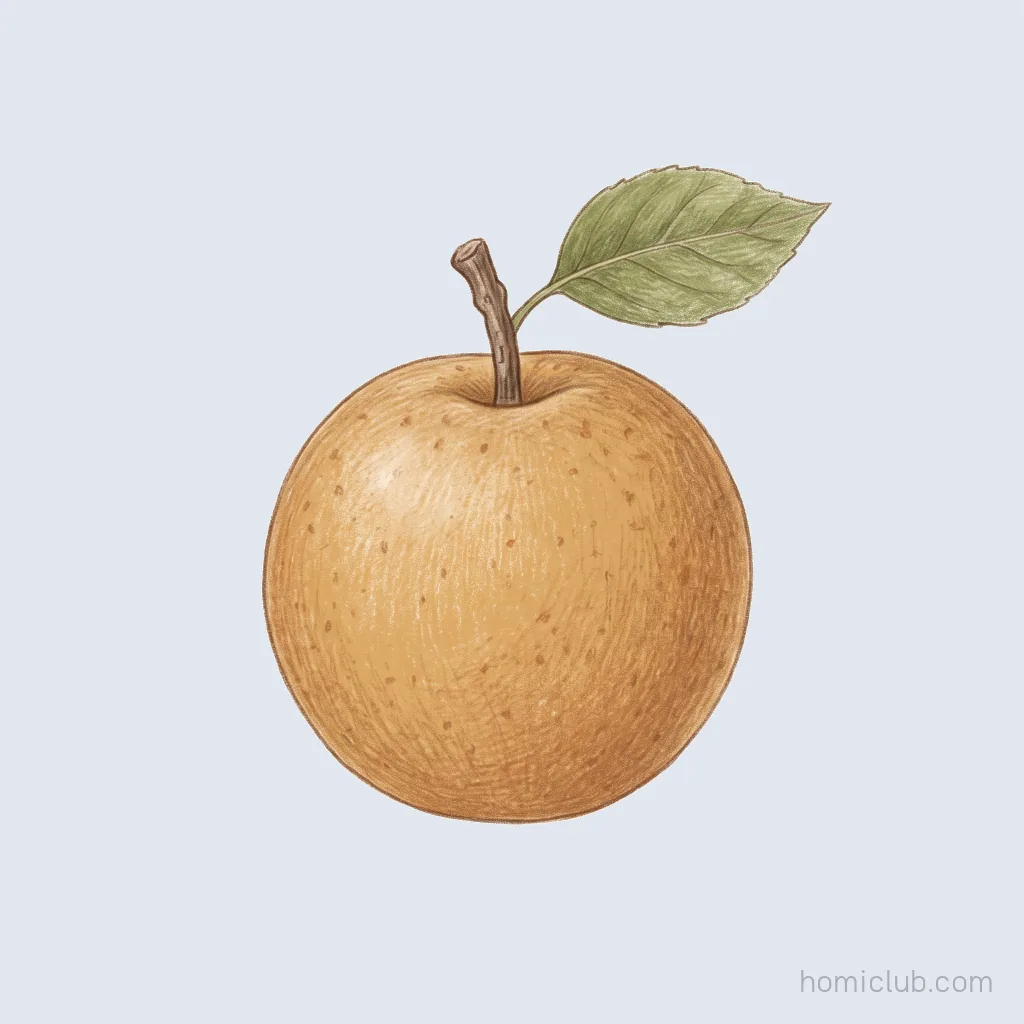
Ija is the fruit of the pear tree, the bae of the crop guide. The Donguibogam's fruit section records it as cold in nature, sweet with a touch of sour. The text cautions against eating a lot of it, singles out women after childbirth as those who should avoid it, and gives the leaves and bark entries of their own.
Original, read line by line 東醫寶鑑 · Tangaek — Decoctions vol. 2
-
性寒一云冷, 味甘微酸, 無毒.
Its nature is cold, though one account calls it chilling; its taste is sweet and slightly sour, and it is non-toxic.
HomiclubIja is the fruit of the pear tree. The Singo pear common in Korean markets is a modern introduction; before it, native sorts such as Cheongsilbae and Munbae were grown.
-
除客熱, 止心煩, 消風熱, 除胸中熱結.
It removes gaengnyeol (客熱, visiting heat), stops vexation of the heart, disperses wind-heat, and removes heat bound in the chest.
-
處處有之, 味甘性寒. 渴者宜之, 尤治酒渴.
It is found everywhere. Its taste is sweet and its nature cold. It suits those who are thirsty, and it especially treats thirst from liquor.
-
然多食令人寒中, 金瘡産婦, 尤不可食. 《本草》
Yet eating much of it chills a person's center; those with metal-inflicted wounds and women who have just given birth especially must not eat it. 《Boncho (本草)》
Related Crop
Asian Pear →
Reading on Asian Pear
Fruits — more entries
This is a cultural and historical record from a classical text, not a claim about any food’s effects. Nothing here is a health supplement or intended to prevent or treat disease. Consult a medical professional about health concerns. · Text: Korean Medicine Classics DB · Reading: Homiclub