Tangaek — Decoctions · Fruits
橙子皮 Bitter orange peel
 Related Crop · Bitter orange peel →
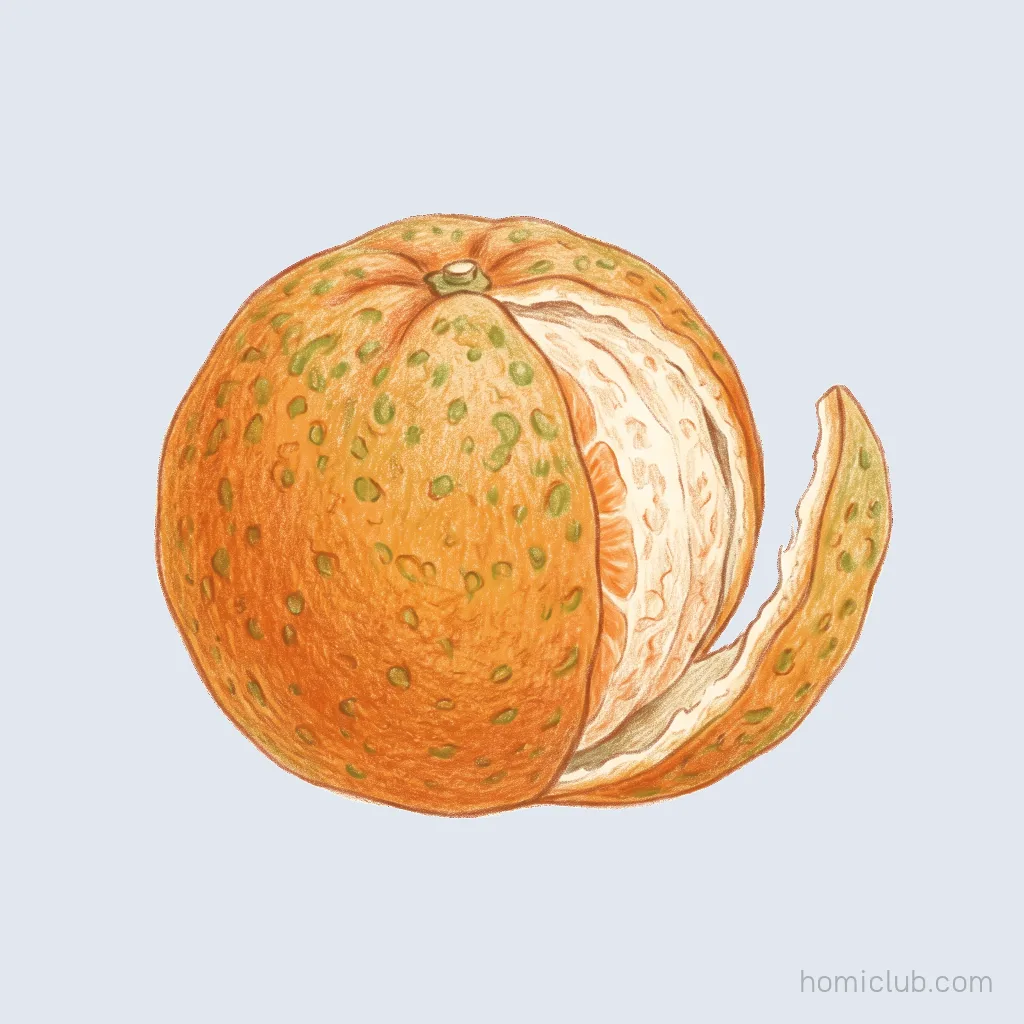
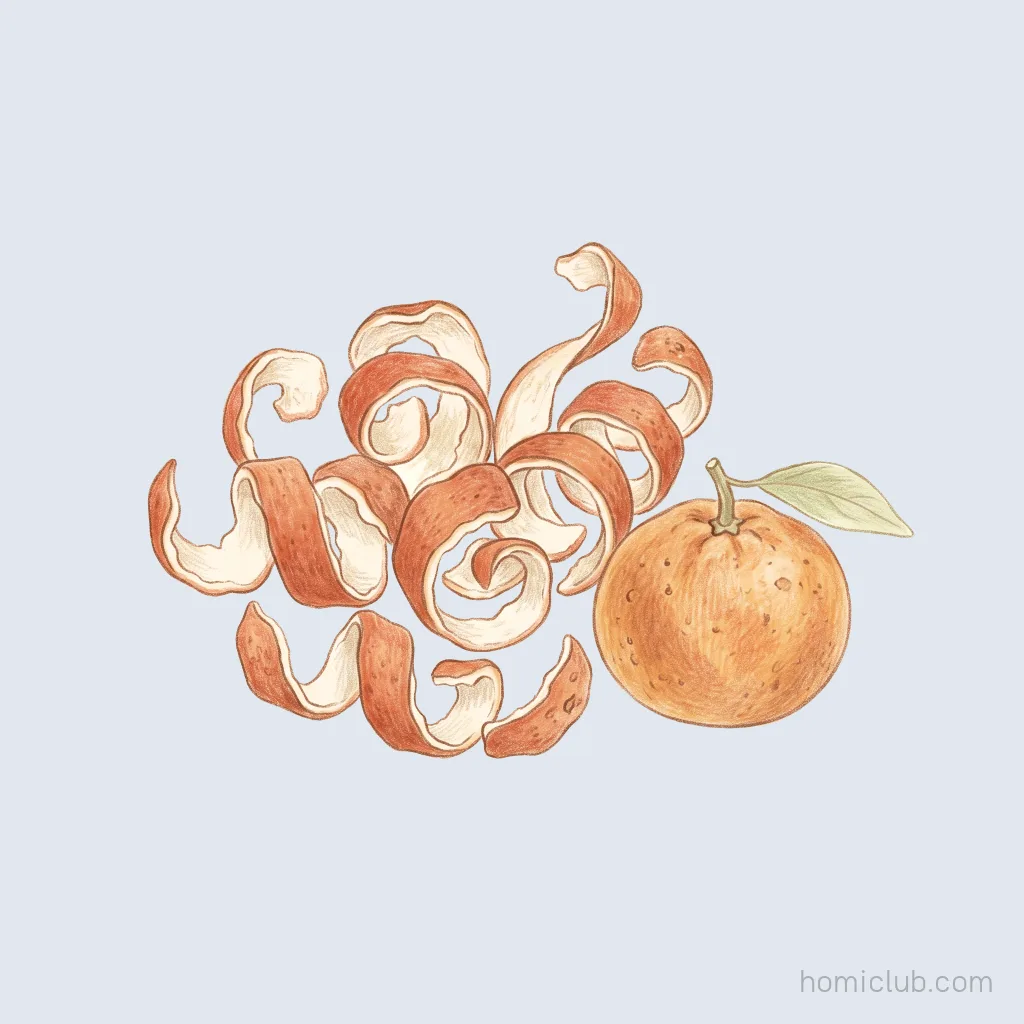
Deungjapi is the peel of the bitter orange, the same deungjapi in the crop guide. The tree is a citrus relative also known as gwanggyul, and its rind carries the aromatic compound limonene. Dongui Bogam lists it among the fruits under the name deungjapi.
Original, read line by line 東醫寶鑑 · Tangaek — Decoctions vol. 3
-
性溫一云煖, 味苦辛, 無毒. 消食, 散腸胃中惡氣浮風.
Its nature is warm, though one account calls it hot; its taste is bitter and pungent, and it is non-toxic. It digests food and disperses foul qi and bupung (浮風, floating wind) in the intestines and stomach.
HomiclubThe deungja is a citrus also known in Korean as gwanggyul, the bitter orange. Its peel is rich in aromatic compounds such as limonene, so the scent lingers long after drying.
-
宿酒未醒, 食之速醒. 其形圓, 大於橘而香, 皮厚而皺. 八月熟, 生南方, 盖橘之類也. 《本草》
Eaten when last night's wine has not yet worn off, it sobers one quickly. It is round in shape, larger than a tangerine, fragrant, with a thick and wrinkled rind. It ripens in the eighth month and grows in the southern regions; it is broadly of the tangerine kind. 《Boncho (本草)》
-
今之橙糖, 卽此也. 《俗方》
The deungdang (橙糖) of the present day is precisely this. 《Sokbang (俗方)》
Related Crop
Bitter orange peel →
Fruits — more entries
This is a cultural and historical record from a classical text, not a claim about any food’s effects. Nothing here is a health supplement or intended to prevent or treat disease. Consult a medical professional about health concerns. · Text: Korean Medicine Classics DB · Reading: Homiclub