Tangaek — Decoctions · Vegetables
薺菜 Shepherd's Purse (Naengi)
 Related Crop · Shepherd's Purse (Naengi) →
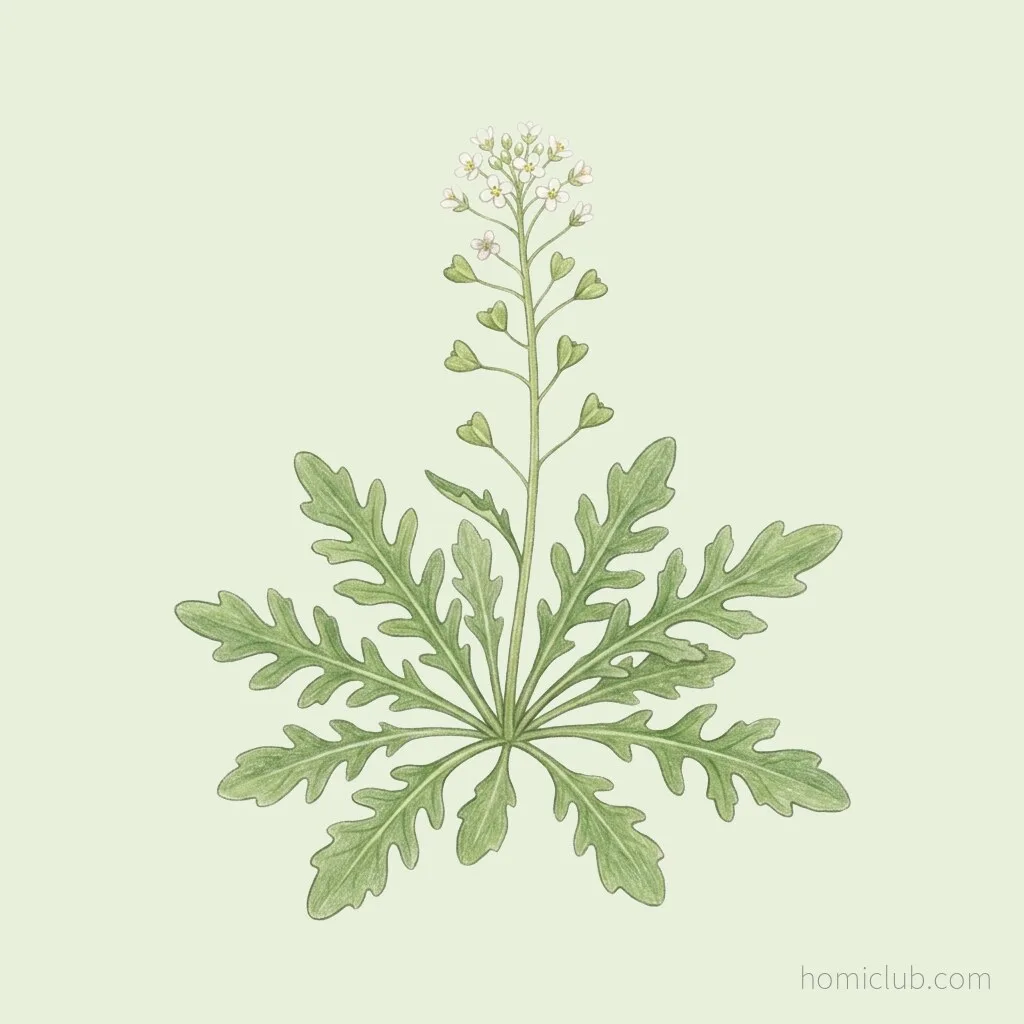
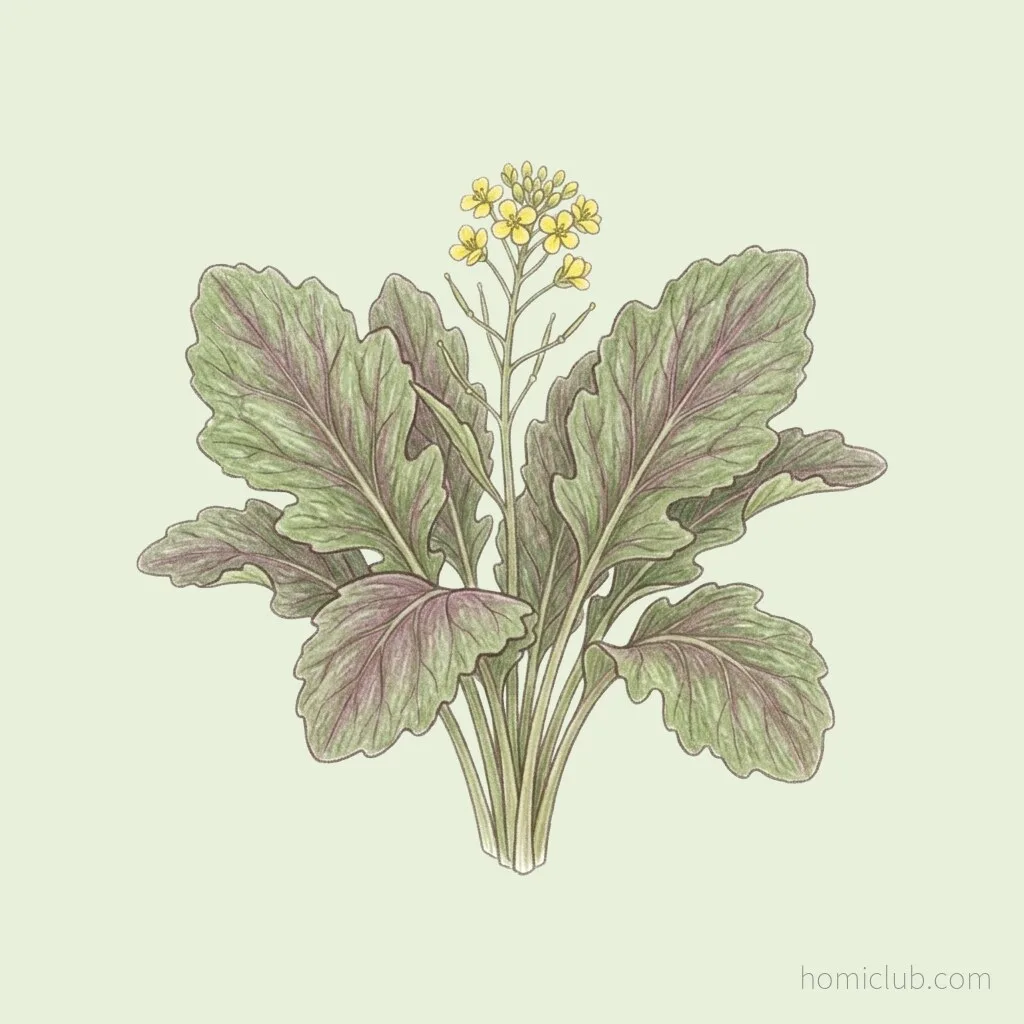
Jechae is shepherd's purse. It is the same naengi as in the crop guide, the spring green that lives through winter and comes up on field banks in March for soups and seasoned salads. Donguibogam placed it among the vegetables and recorded its seed, root and leafy stem as separate items.
Original, read line by line 東醫寶鑑 · Tangaek — Decoctions vol. 2
-
性溫, 味甘, 無毒.
Its nature is warm, its taste is sweet, and it is non-toxic.
HomiclubJechae is shepherd's purse, a biennial in the cabbage family. Its flat triangular seedpods gave it the Western name. In early spring Koreans dig it up root and all from field edges for soups and seasoned dishes.
-
利肝氣, 和中, 利五藏.
It benefits the gangi (肝氣, liver qi), harmonizes the center, and benefits the ojang (五藏, five viscera).
-
生田野中, 凌冬不死. 煮粥喫, 能引血歸肝, 明目. 《本草》
It grows in fields and open country and does not die through the winter. Cooked into porridge and eaten, it can lead the blood back to the gan (肝, liver) and brighten the eyes. 《Boncho (本草)》
HomiclubNot dying through the winter refers to the way shepherd's purse overwinters with its leaves spread flat on the ground in a rosette. That is why it is the first plant to be dug once the snow melts.
-
八月, 陰中含陽, 陽氣發生, 乃於中秋而薺麥復生也. 《參同契註》
In the eighth month yang (陽) is held within eum (陰) and yang qi arises, so at mid-autumn the shepherd's purse and the barley grow again. 《Chamdonggyeju (參同契註)》
Related Crop
Shepherd's Purse (Naengi) →
Reading on Shepherd's Purse (Naengi)
Vegetables — more entries
This is a cultural and historical record from a classical text, not a claim about any food’s effects. Nothing here is a health supplement or intended to prevent or treat disease. Consult a medical professional about health concerns. · Text: Korean Medicine Classics DB · Reading: Homiclub