A Guest in the Corner of the Garden
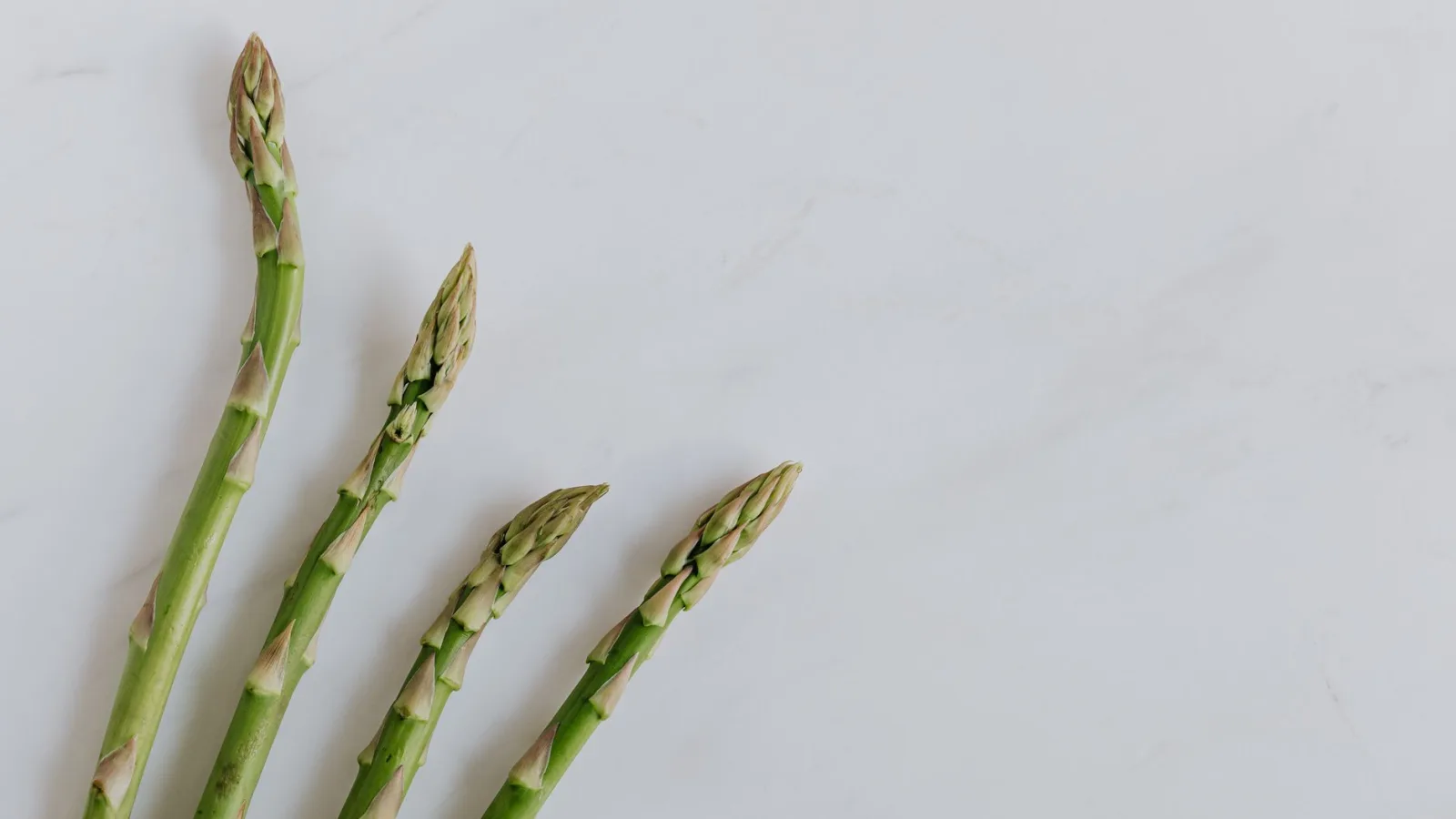
Have you ever grown asparagus, fellow gardener? Each spring, plump shoots push up through the soil and gain a hand's width in just a few days, which is a sturdy sight. Once the roots settle in, the plant sends up spears from the same spot for years, so gardeners think of it as a vegetable you get to know slowly and grow fond of over time.
You might blanch the green spears and toss them briefly in olive oil, wrap them in bacon and roast them, or add them to a salad. They're a familiar sight at the table. But asparagus (Asparagus officinalis) actually came to Korea from the Mediterranean and western Asia, and it hasn't been part of our food culture for very long. That's why, if you open the Dongui Bogam (the 17th-century classic of Korean medicine) or other traditional Korean medical texts, you'll have a hard time finding any passage that clearly describes the healing properties of edible asparagus itself.
What the Dongui Bogam Says, and What It Doesn't
Here I owe you a candid word. When they hear "asparagus," some people think of cheonmundong (天門冬), an herb used in traditional Korean medicine. Cheonmundong does appear in the Dongui Bogam, and botanically it belongs to the same genus as asparagus. In English it even goes by the name "Chinese asparagus."
But belonging to the same genus doesn't make them the same species. Cheonmundong is a separate plant, Asparagus cochinchinensis. The asparagus we grow in our gardens and serve at dinner is Asparagus officinalis. Traditional medicine credits cheonmundong with nourishing yin (滋陰) and moistening the lungs (潤肺), and it isn't accurate to pass those claims along to garden asparagus.
So I won't tell you that "the Dongui Bogam saw asparagus this way or that way." Presenting a thin record as if it were a solid one wouldn't be honest guidance. Instead of borrowing benefits because two names sound alike, I think it helps more to draw a clear line. What the Dongui Bogam says about cheonmundong belongs to cheonmundong.
What Modern Nutrition Tells Us
So how can we look at edible asparagus honestly? This vegetable suits the lens of modern nutrition better than the framework of traditional herbal medicine.
Asparagus is known as a fairly good source of folate. It also contains an amino acid called asparagine, which was named after asparagus. It contains a compound called rutin as well. With that nutritional makeup, it's fair to say asparagus has earned a regular spot among the vegetables on your plate.
Even so, I don't want to overstate things. With any vegetable, the honest approach is to treat it as one part of a varied diet rather than promise a specific effect. I hope you'll see asparagus the same way, as one vegetable doing its share alongside the rest.
From Garden to Table
If the spears come from your own garden, they're easy to prepare. Cut about an inch off the tough base, or simply snap it off by hand, and the tender top is what's left. A quick blanch in boiling water with a pinch of salt makes the green brighter. Cook it too long and it loses its crunch, so whether you blanch it or roast it, keep the cooking time short.
Asparagus goes well with oil, so it's good sautéed or roasted, and blanched spears laid straight onto a salad taste fresh and light. It isn't known as a food anyone needs to avoid, but some people notice their urine smells different after eating asparagus. This is completely natural, so there's no need to worry.
This column didn't end up listing health benefits. Instead, it sorted out the difference between two plants with similar names. Cheonmundong is cheonmundong, and asparagus is asparagus. The green spears in your garden don't need to borrow the weight of a traditional remedy. On their own, they bring something fresh to the table.