
Tangaek — Decoctions · Fruits
山査子 Chinese Hawthorn
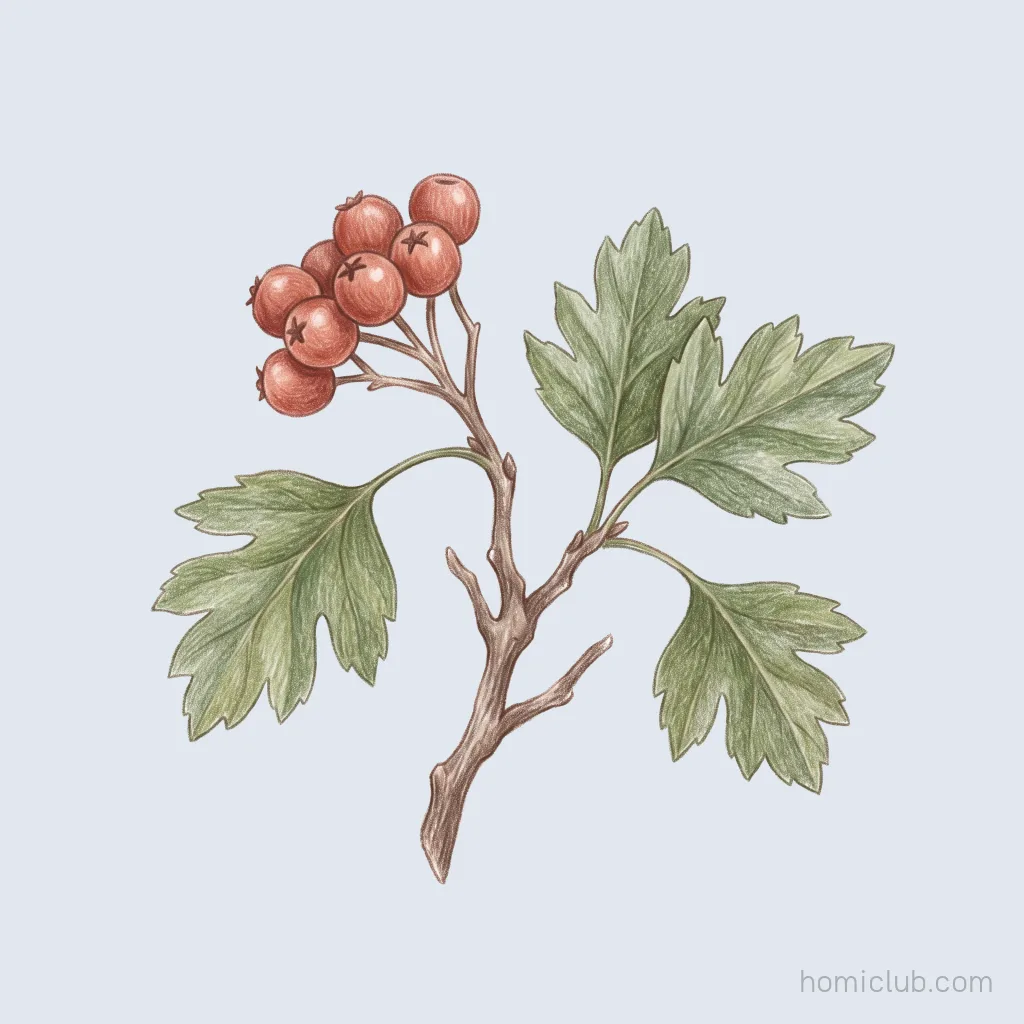 Related Crop · Chinese Hawthorn →
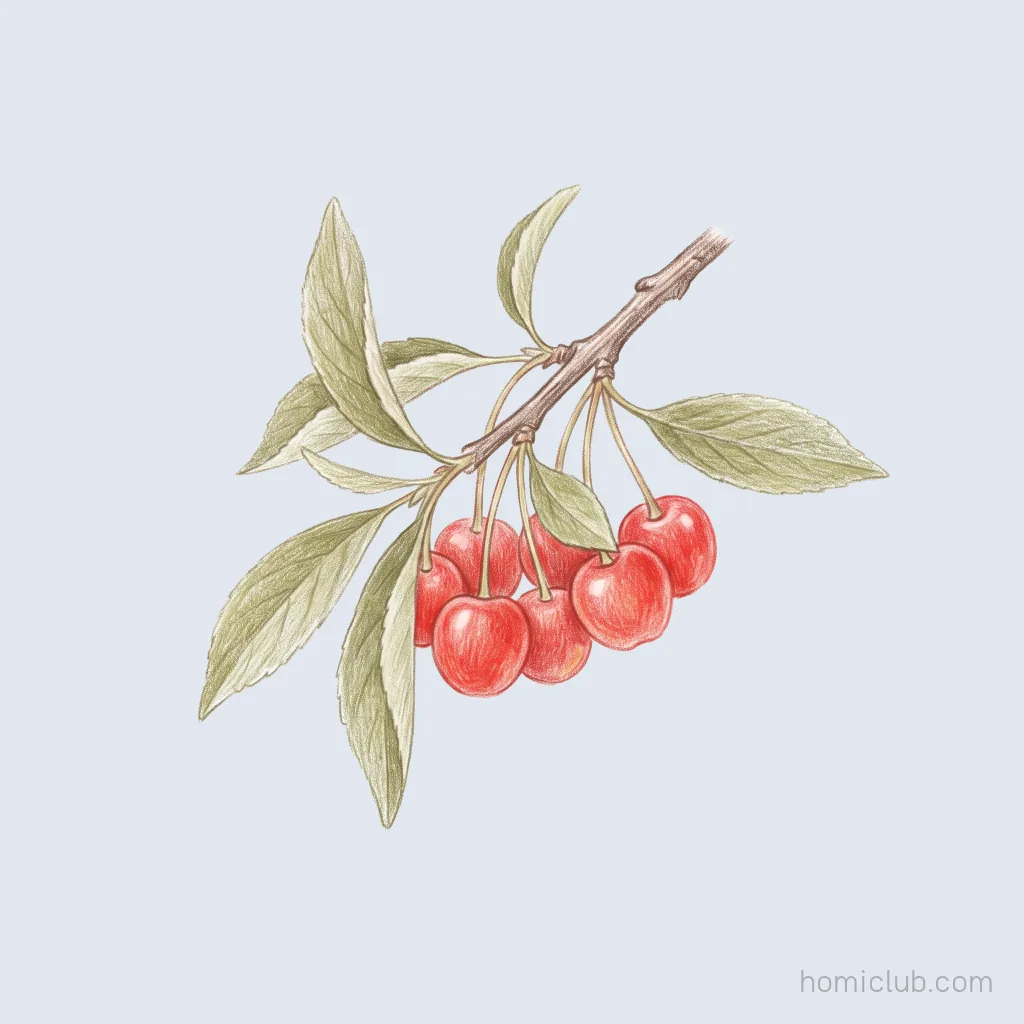
Sansaja is the red fruit of the hawthorn, called agawi in Korean and the same as agaoe in the crop guide. Green when unripe and red when ripe, the half-ripe sour ones were chosen, washed, steamed soft, pitted and sun-dried.
Original, read line by line 東醫寶鑑 · Tangaek — Decoctions vol. 2
-
消食積, 化宿滯, 行結氣,
It dissolves sikjeok (食積, food accumulation), breaks up long-standing stagnation, and moves knotted qi.
-
消積塊痰塊血塊, 健脾開膈, 療痢疾, 兼催瘡痛.
It dissolves jeokgoe (積塊, accumulation lumps), damgoe (痰塊, phlegm lumps), and hyeolgoe (血塊, blood lumps), strengthens the spleen, opens the diaphragm, treats dysentery, and also hastens the pain of sores.
-
一名棠毬子, 山中處處皆有之.
It is also called dangguja (棠毬子), and it grows all over in the mountains.
HomiclubAgawoe is the old Korean name for hawthorn fruit. Markets today sell it as sansa or sansaja, and tanghulu, the skewered fruit glazed in hardened sugar syrup, was originally made from these berries.
-
生靑熟紅, 其半熟而酸澁者入藥, 陳久者良.
Unripe it is green and ripe it is red; the half-ripe, sour and astringent ones go into medicine, and old stock is best.
-
水洗蒸軟, 去核曬乾用. 《入門》
Wash it in water, steam it soft, remove the pits, and dry it in the sun before use. 《Immun (入門)》
Related Crop
Chinese Hawthorn →
Fruits — more entries
This is a cultural and historical record from a classical text, not a claim about any food’s effects. Nothing here is a health supplement or intended to prevent or treat disease. Consult a medical professional about health concerns. · Text: Korean Medicine Classics DB · Reading: Homiclub