Tangaek — Decoctions · Vegetables
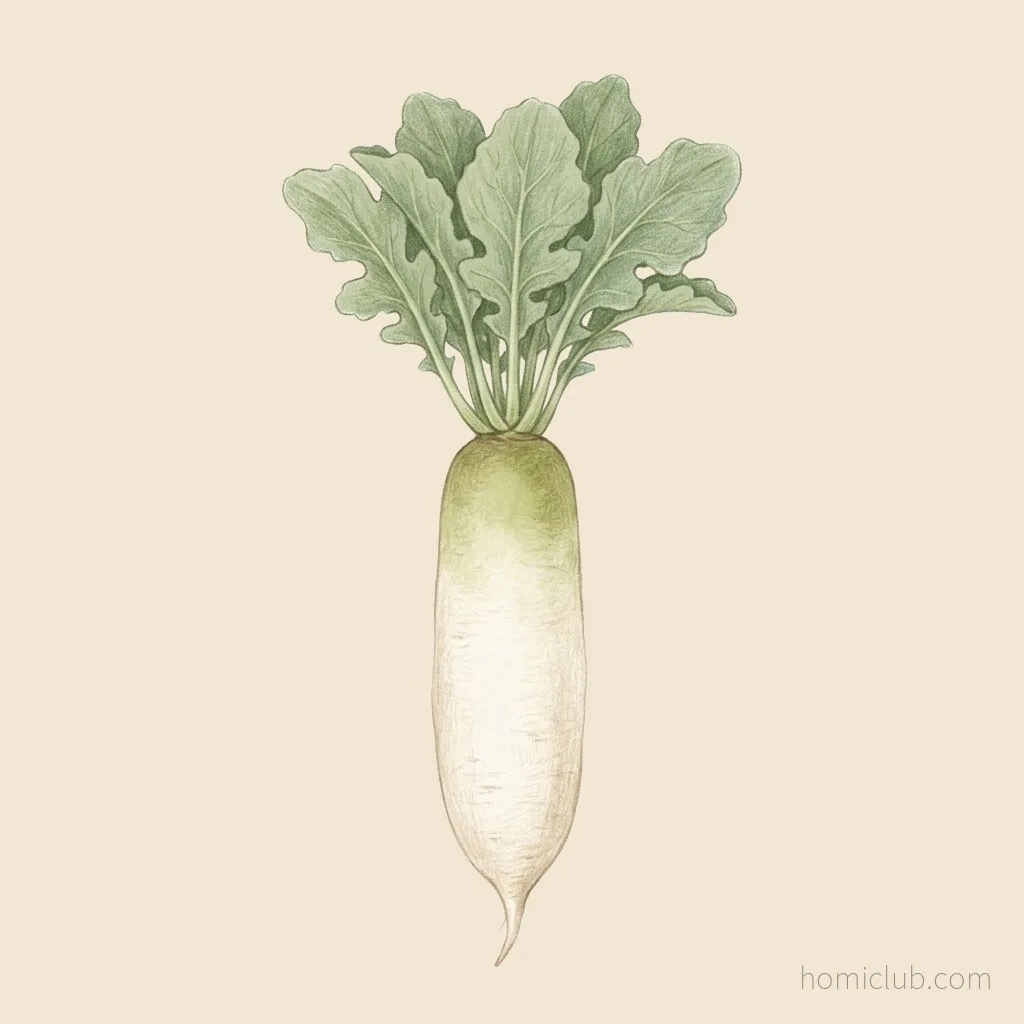
萊菔 Korean Radish (Mu)
 Related Crop · Korean Radish (Mu) →
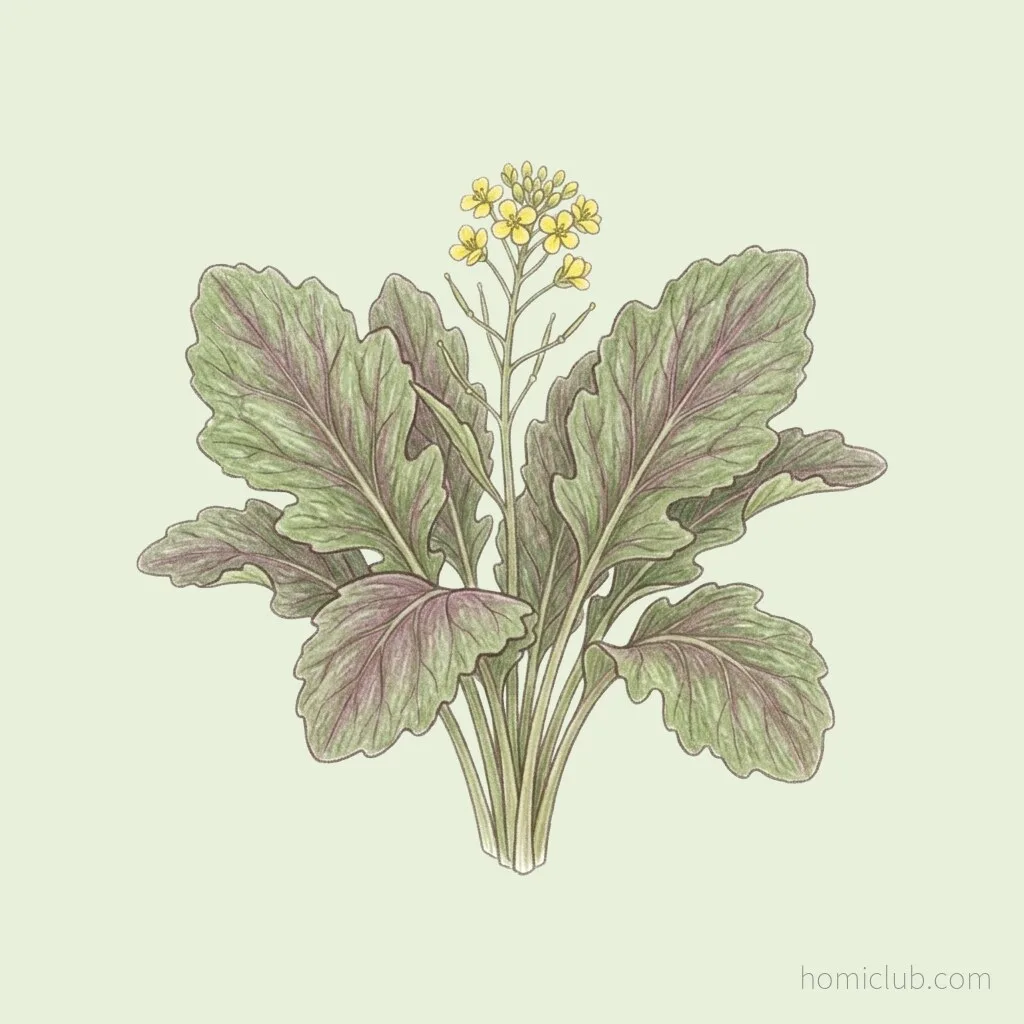
Mu is the root of an annual in the mustard family, the same radish that goes into kimchi and soup today and the same crop as mu in the guide. The text records the names nabok and nobok, and handles the seed separately under the name nabokja.
Original, read line by line 東醫寶鑑 · Tangaek — Decoctions vol. 2
-
性溫一云冷, 一云平, 味辛甘, 無毒.
Its nature is warm, though one account calls it cold and another neutral; its taste is pungent and sweet, and it is non-toxic.
HomiclubNaebok is mu (radish), the swollen root of an annual or biennial crucifer. It is the same radish put into kimchi and soups, and its seed is handled separately as nabokja (蘿葍子).
-
消食, 去痰癖, 止消渴, 利關節, 練五藏惡氣.
It disperses food, removes dambyeok (痰癖, phlegm accumulation), halts sogal (消渴, wasting thirst), benefits the joints, and works over the foul qi of the five jang (五藏).
-
治肺痿吐血, 勞瘦咳嗽.
It addresses pyewi (肺痿, lung atrophy) with blood-spitting, and the coughing and wasting of taxation.
-
處處種之, 常食之菜也. 此物下氣最速, 久服澁榮衛, 令鬚髮早白.
It is planted everywhere and is an everyday vegetable. This thing sends qi downward faster than any other, but taken over a long time it makes the yeong and wi (榮衛, nutrient and defensive qi) sluggish and turns the beard and hair white early.
-
俗名蘿葍, 亦曰蘆菔, 以能制來麰麪毒, 故亦名萊菔. 《本草》
Commonly it is called nabok (蘿葍), also nobok (蘆菔); because it can curb the toxicity of wheat and barley noodles it is likewise named naebok (萊菔). 《Boncho (本草)》
HomiclubHere an old habit of pairing radish with wheat foods survives in the name itself. The custom continues at today's tables, where noodles and dumplings come with shredded radish or dongchimi.
Related Crop
Korean Radish (Mu) →
Reading on Korean Radish (Mu)
Vegetables — more entries
This is a cultural and historical record from a classical text, not a claim about any food’s effects. Nothing here is a health supplement or intended to prevent or treat disease. Consult a medical professional about health concerns. · Text: Korean Medicine Classics DB · Reading: Homiclub