Tangaek — Decoctions · Vegetables
蔓菁 Turnip (Sunmu)
 Related Crop · Turnip (Sunmu) →
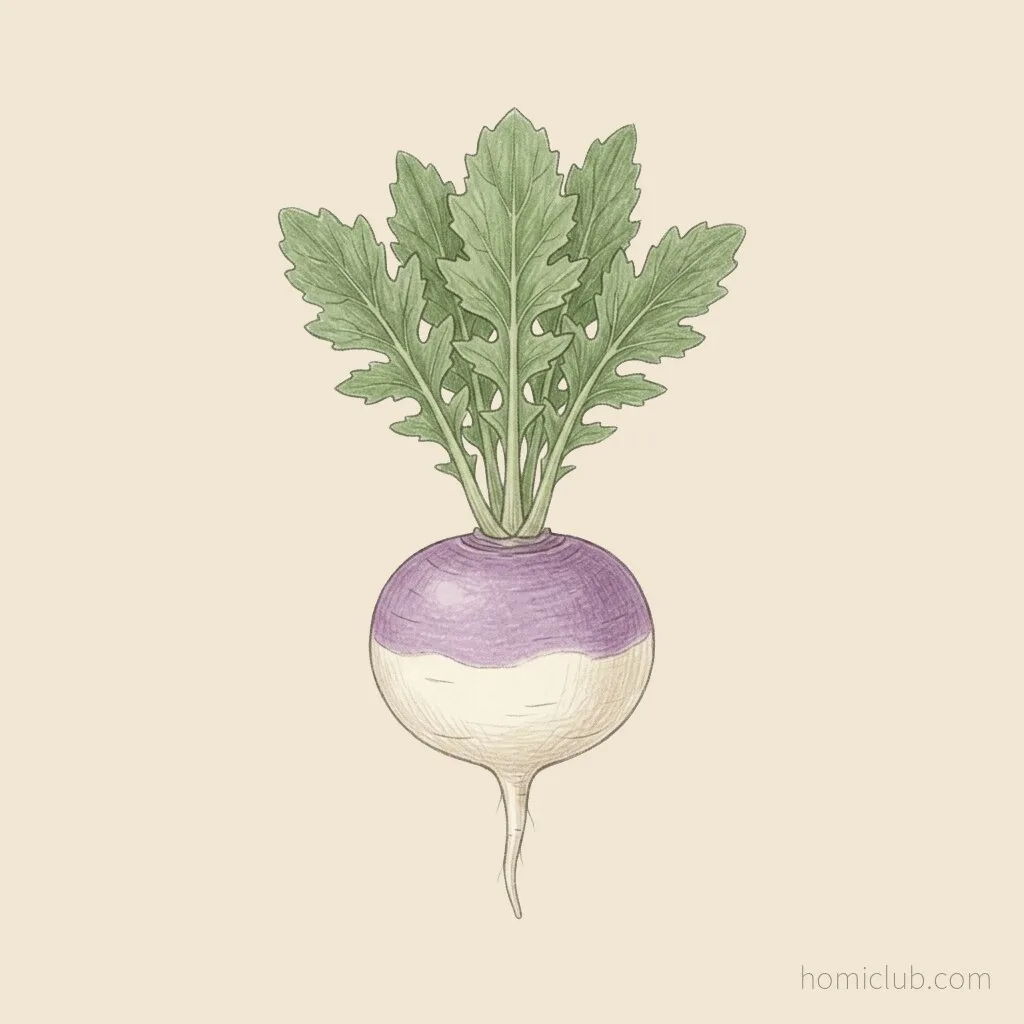
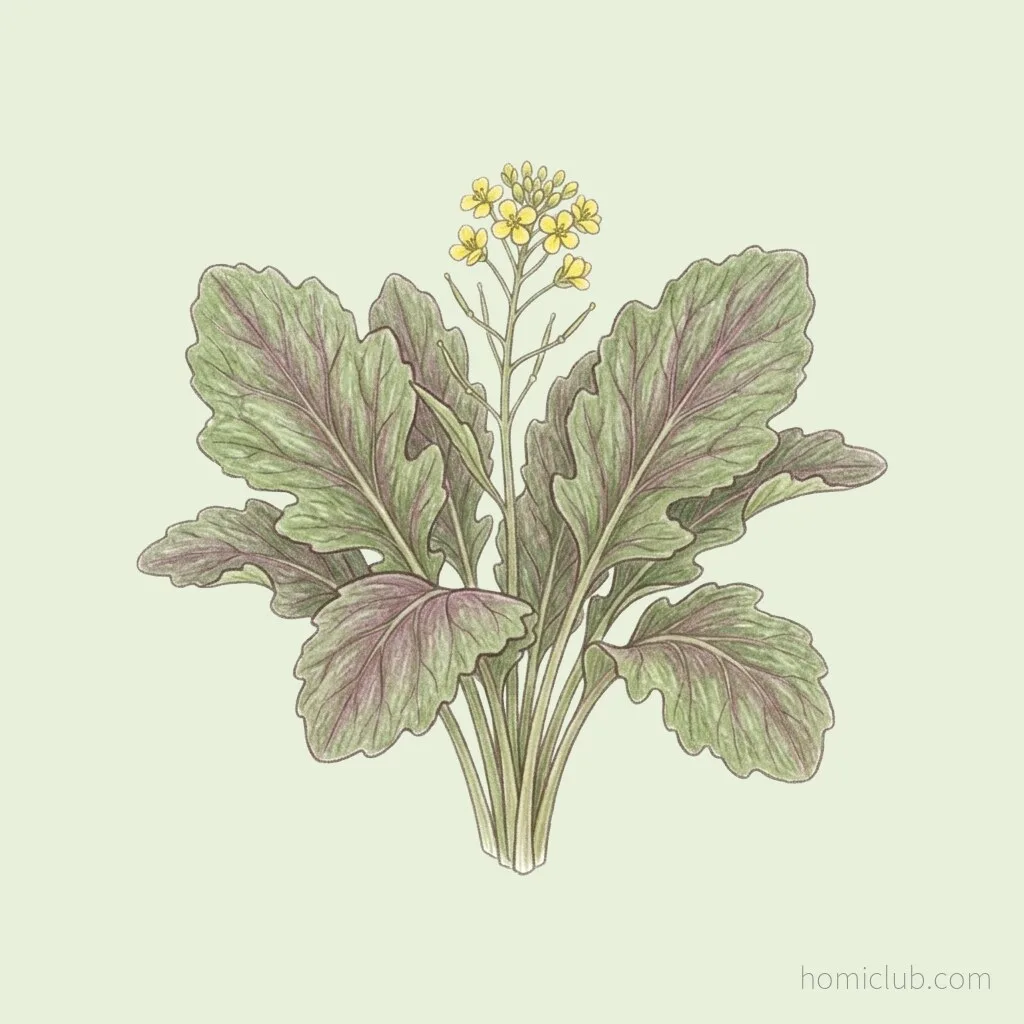
Mancheong is the root and leaf of the turnip, the same plant as the turnip in the crop guide. The Ganghwa turnip is the best-known Korean sort today, usually pickled as kimchi. Dongui Bogam describes it as a vegetable harvested all year round: shoots in spring, leaves in summer, stalks in autumn, roots in winter.
Original, read line by line 東醫寶鑑 · Tangaek — Decoctions vol. 2
-
性溫, 味甘, 無毒. 主利五藏, 消食下氣.
Its nature is warm, its taste sweet, and it is non-toxic. It chiefly benefits the five jang (五藏), disperses food, and sends qi downward.
HomiclubMancheong is sunmu (turnip), the root and leaf of a biennial crucifer. In Korea today the Ganghwa turnip is best known, its round root with purple shoulders pickled as kimchi.
-
療黃疸, 輕身益氣.
It treats jaundice, lightens the body, and benefits the qi.
-
四時皆有, 春食苗, 夏食葉, 秋食莖, 冬食根. 亦可以備飢歲.
It is available in all four seasons: in spring one eats the shoots, in summer the leaves, in autumn the stems, and in winter the root. It can also be laid by against lean years.
HomiclubEating a different part of the same plant each season is possible because the turnip is a biennial. It stores reserves in the root through autumn, overwinters, and sends up leaves and a flowering stalk the next spring.
-
菜中之最有益者. 根在地下, 經冬不枯, 至春復生. 常食之, 令人肥健.
It is the most beneficial among vegetables. Its root lies underground, does not wither through the winter, and revives again by spring. Eaten regularly it makes a person plump and sturdy.
-
諸菜之中, 有益無損, 最宜長服. 《本草》
Among all vegetables it brings benefit without harm, so it is the most suitable to take over a long time. 《Boncho (本草)》
Related Crop
Turnip (Sunmu) →
Reading on Turnip (Sunmu)
Vegetables — more entries
This is a cultural and historical record from a classical text, not a claim about any food’s effects. Nothing here is a health supplement or intended to prevent or treat disease. Consult a medical professional about health concerns. · Text: Korean Medicine Classics DB · Reading: Homiclub